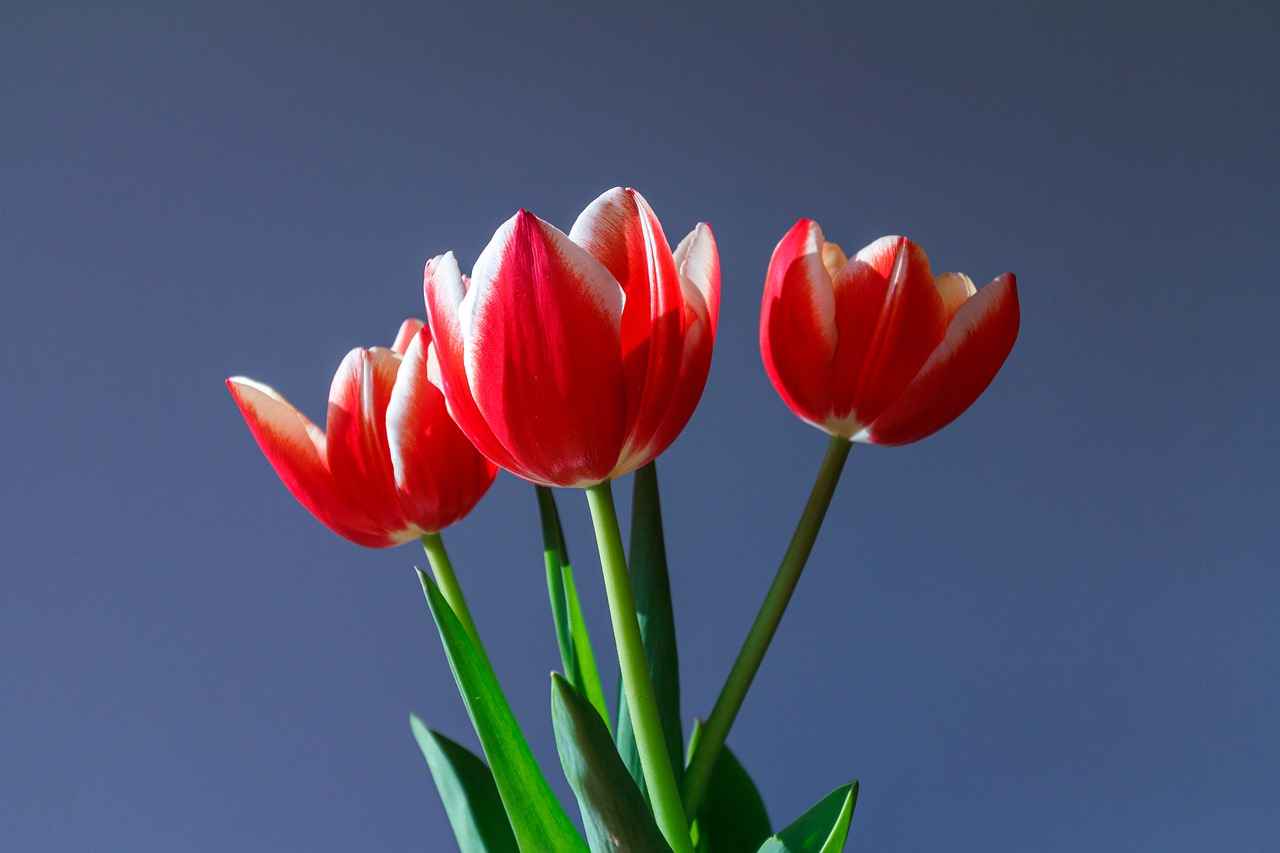
Tulips Flowers Plant Petals Bloom  - vjgalaxy / Pixabay

How to get rid of mold on tulip bulbs ?

One of the most dangerous fungal diseases is gray mold on tulip bulbs (Botrytis cinerea). Disease symptoms occur in wet and warm weather, most often during flowering. Small brown or gray rot spots appear on the petals and leaves, gradually becoming covered with a gray dust (gray mold).
Sometimes black spots appear on rotting bulbs.

This disease spreads very quickly. If it does occur all infected plants, including the bulbs, should be dug up and burned as soon as possible.

If you get rid of only the aerial parts, diseased and deformed plants will grow out of the infected bulbs next year, infecting the remaining healthy specimens. Additionally, it is worth using chemical agents to combat gray mold on the remaining plants.

However, prophylactic chemical spraying causes the fungus to become resistant to a given antifungal preparation. When the infection really attacks, the preparation will not be effective against it and will not help to combat it. There are cases when the fungus became so resistant to a given agent that it grew better and faster after spraying than before the treatment.

Tulips – Planting and growing

Similar Posts

  • How to care for orchids in a pot ?

    How to care for orchids in a pot ? Orchids are one of the most popular houseplants. Although most species are exotic plants, orchids grow great in apartments, enriching them with their beautiful flowers. Check how to care for orchids…

  • How to grow Lavender ?

    How to grow Lavender ? Lavender (Lavandula) is an evergreen shrub native to the Mediterranean. Thanks to its charming blue flowers, wonderful aroma and the availability of interesting ornamental lavender varieties, this plant is more and more often found in…

  • Hydrangea moisture needs and temperature ranges

    Hydrangea moisture needs and temperature ranges Hydrangeas have specific moisture needs and temperature ranges that are important for their growth and health. Here’s some general information about these requirements: Moisture Needs: Hydrangeas generally prefer consistently moist soil, but they don’t…

  • Hydrangea diseases

    Hydrangea diseases Hydrangeas are very popular shrubs. People love their beautiful flowers. Although they are quite resistant, still can be vulnerable to some diseases and pests. You must remember that proper fertilization and place where they grow is very important….

  • How to propagate Aphelandra Squarrosa

    How to propagate Aphelandra Squarrosa ? If you don’t buy a planted flower already, you can also get it from apical, stem or leaf cuttings taken from another specimen. How to propagate Aphelandra Squarrosa ? You’ll need top, stem or…