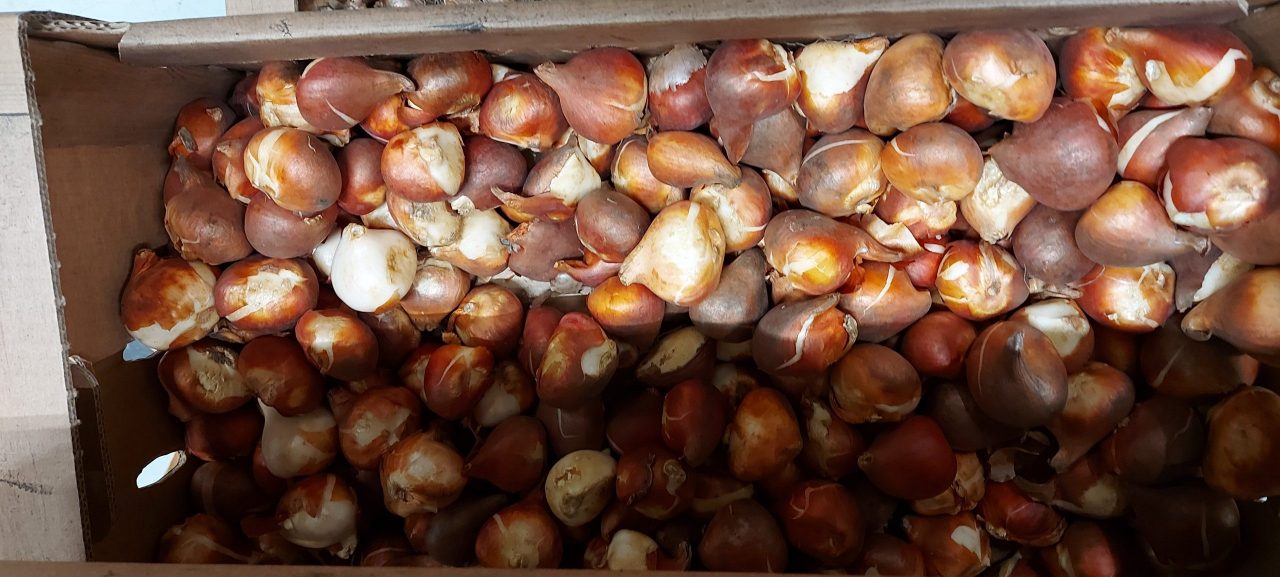
Daffodil bulbs

What are the basic steps for “forcing bulbs” ?

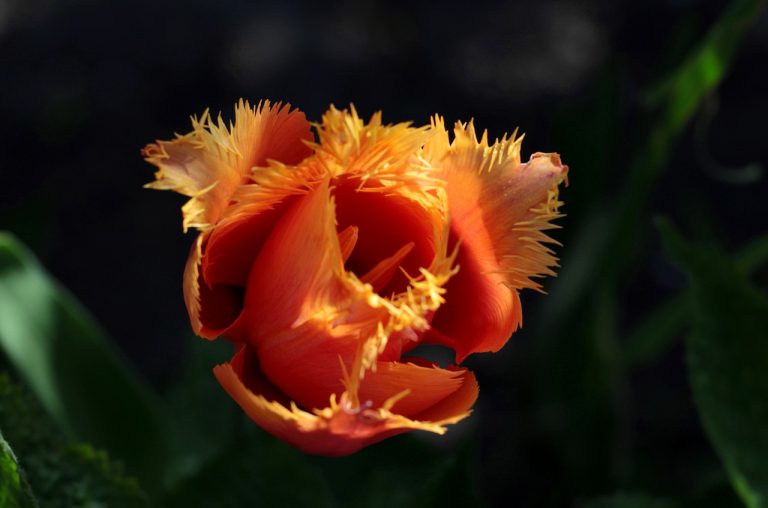
It is possible for flowers such as daffodils or tulips to bloom indoors during the winter months. Spring bulbs need to be chilled before they can bloom indoors, so plan ahead. Forcing bulbs means that you will start process to induce flowering of a plant in different time than normal. The process is simple and includes few basic steps.

  1. Start with healthy bulbs, a well-drained soilless substrate (coarse sand for example) and a few pots.
  2. Use azalea pots or pots that are four to eight inches in diameter. Put a few bulbs of the same variety in a pot and then cover them with a soilless substrate. Bulbs of different varieties have different depth requirements.
  3. Pack the pot loosely, water the bulbs. Find a way to expose them to low temperatures (35 to 40 degrees Fahrenheit – 1 to 5 Celsius) for about 13 weeks.
    These temperatures can be achieved in an unheated room (non-sunny room, patio, shed, basement). If you use the refrigerator, make sure that there are no food products in it.
  4. The purpose of cooling is to allow the bulbs to develop a healthy root system and elongate the flower bud before being forced to bloom.
  5. The pots can be moved to their final destination, such as a living room, when the flowers are almost fully developed.
Similar Posts

  • Poinsettia cultivation, care, wintering

    Poinsettia cultivation, care, wintering Associated with Christmas, poinsettia is becoming more and more often a Christmas decoration in our homes. How to keep poinsettias blooming for as long as possible? Learn the rules of growing and caring for poinsettias at…

  • Hydrangeas: History, Biology, and Uses

    Hydrangeas: History, Biology, and Uses Hydrangeas are flowering plants that belong to the Hydrangeaceae family. Known for their large, showy flower clusters and diverse colors, hydrangeas have captivated gardeners and plant enthusiasts for centuries. In this article, we will explore…

  • How orchids are pollinated ?

    A packet of pollen is transferred by an unaware insect to the next flower, where it sticks to the stigma of the pistil.

  • Spots on Hydrangea Leaves

    Spots on Hydrangea Leaves Spots on Hydrangea leaves can have different shapes and colors. Their apperance usually signals real problems. It may be due to fungal disease or cultivation errors. Not treated bushes will loose their attractive apperance, will bloom…

  • What to plant next to Lavender ?

    What to plant next to Lavender ? Lavender has been gaining more and more popularity in recent years. With the warming of the climate, the possibilities of growing this plant, until recently known mainly from fragrant plantations in southern Europe,…

  • How can you tell if a cactus is male or female ?

    How can you tell if a cactus is male or female ? Cactus is male or female, is it? Cacti are loners and hermaphrodites, meaning that flowers can self-pollinate because they contain both female and male reproductive organs. Cacti are…