Why orchids are endangered?
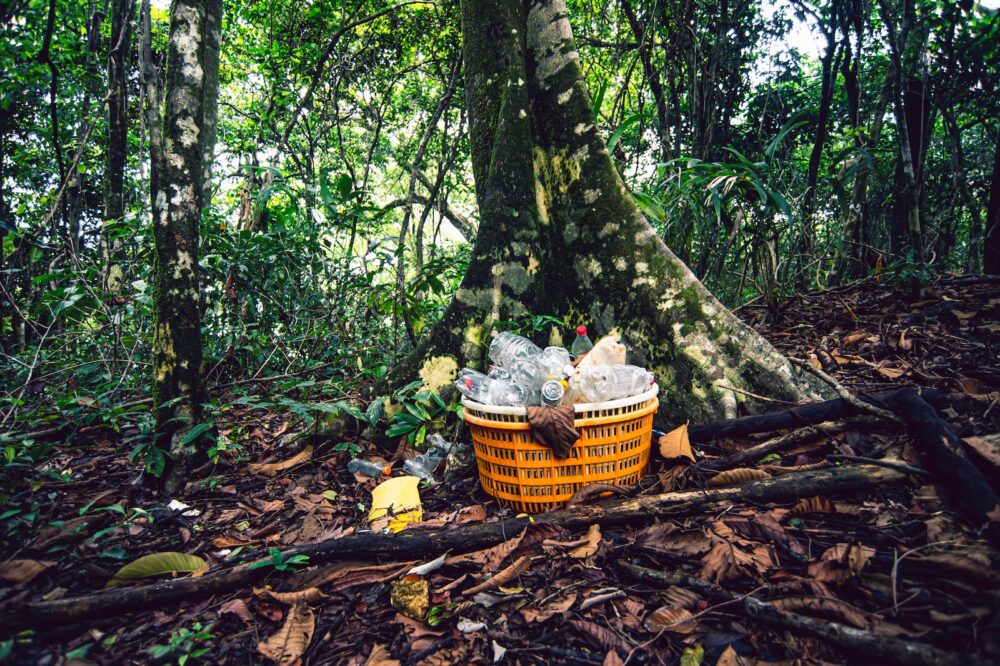
The overwhelming majority of current threats to orchids are related to human activity. Orchids are endangered due to development of civilization. Its increasing pressure on the environment make these delicate and sensitive plants disappear from subsequent sites very quickly.
The main reason for this is the loss of their natural habitat.
In the case of forest species, main cause of extinction is by a change in the species composition around them (e.g. planting conifers in deciduous forest habitats), their structure and the natural processes of forest dieback and regeneration. On the other hand, in the case of non-forest land species, the threats are more varied.
Peatland species die along with drainage of wetlands or other disturbances in water conditions related to human activity.
Meadow species lost their natural habitats a long time ago. Now their occurrence is in semi-natural environments – extensively meadows and pastures. They die both in the case of intensification of agrotechnical measures and as a result of their omission – bushes and trees enter abandoned meadows, limiting the access to the sun and therefore eliminating light-consuming species.
Another threat to species with large and beautiful flowers is picking them and digging them up for transplantation into gardens.
Climate change is dangerous to orchids
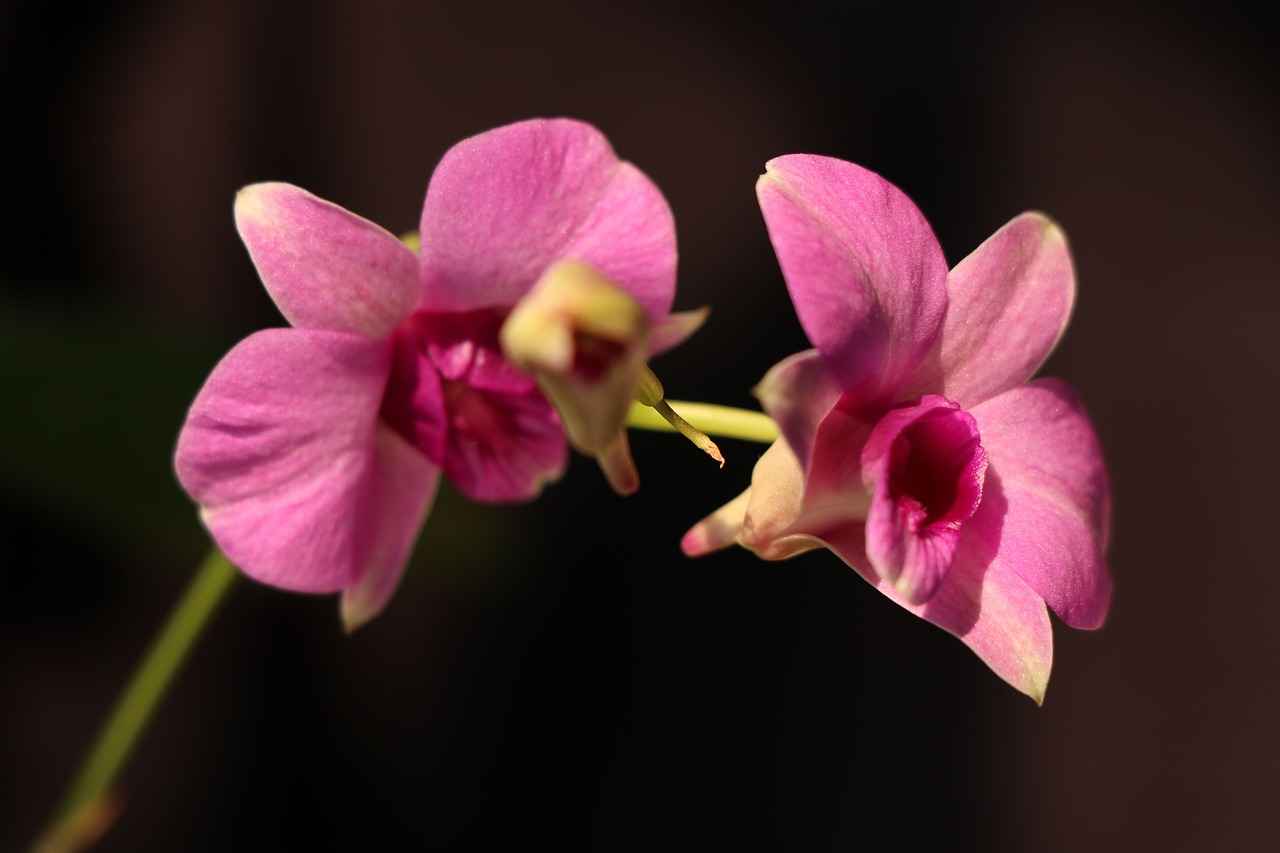
Over 27,000 orchid species have been identified worldwide. Many of them, especially tropical ones, grow on only one continent, or even only in one place in the world. That is why they are so vulnerable – because a change in conditions within a small region may mean the destruction of the entire species.
All orchids depend on the presence of a mycorrhizal fungus that causes their seeds to change and begin to germinate. Most tropical orchids continue to work with fungi at later stages of development as well. Fungi are present in their leaves and stems. It is impossible to recreate this natural system that orchids need for development in artificial conditions.
Study shows, that climate change will affect orchids in a different way based on geographical location. In Asia orchids will spread to new places. On the other hand Africa and Americas will lost over 70% of theirs current habitats.