How long does an orchid live ?
You found a beautiful orchid in the perfect color that will complete your home decor. However, you wonder how long it will take before you have to replace it with a new one.
How long do orchids live?
This question is asked by many new orchid owners, and I will be glad to answer it.
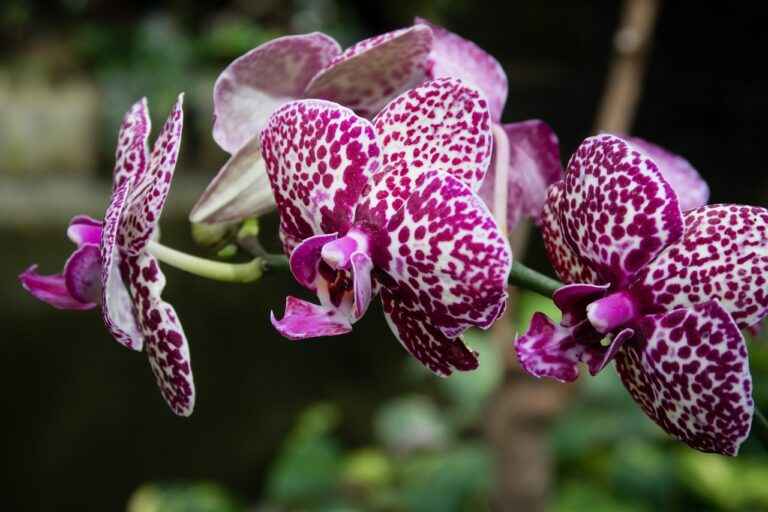
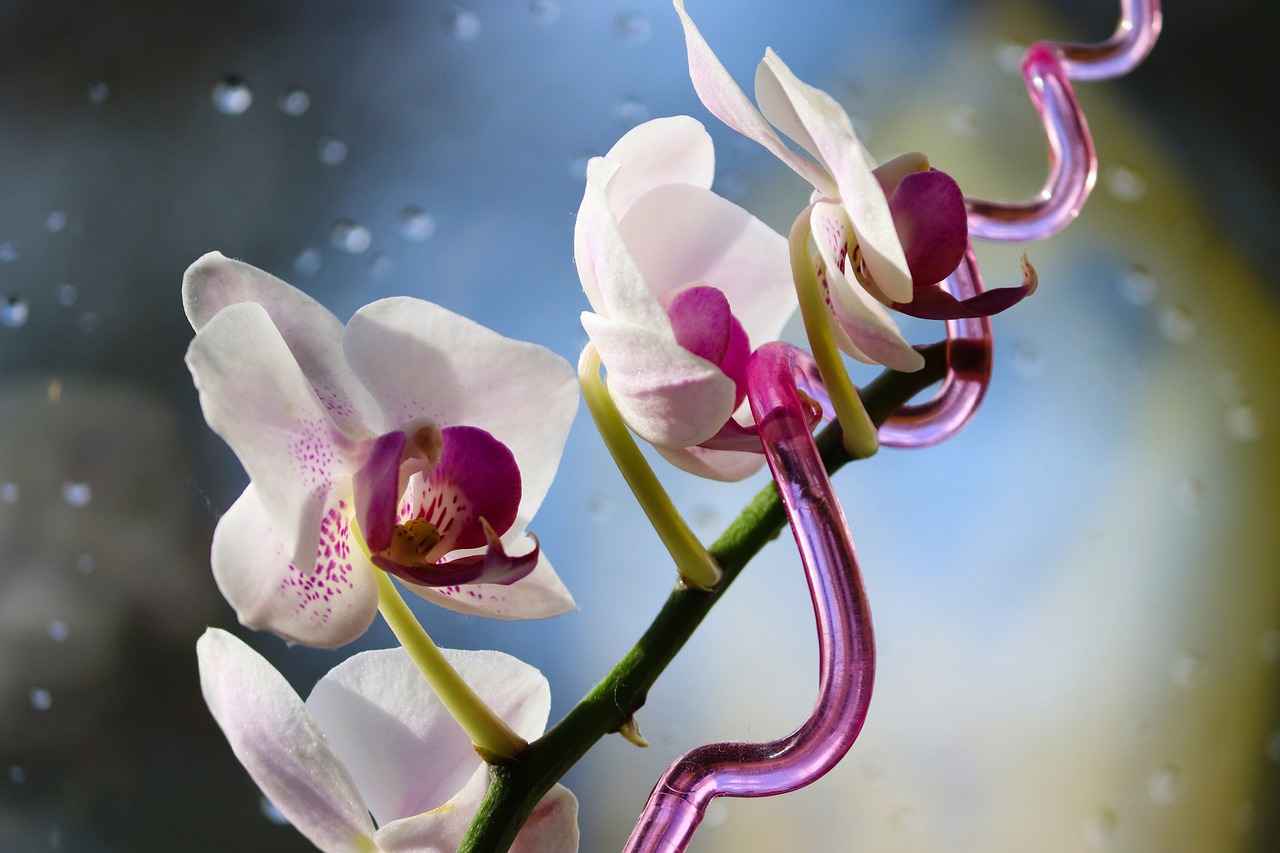
The life span of an orchid depends on the variety of orchids and the type of care the plant receives. In the case of the phalaenopsis orchids, flowering usually takes two to three months.
However, this is only one of the many flowering periods in the orchid’s life cycle. After the initial bloom, the plant goes into a dormant period.
The orchid flowers fall off and some new orchid owners throw the plant away thinking it has died. What is not obvious is that the plant is actually storing energy to prepare for the next flowering period.
Going back to our original question, the phalaenopsis orchid has the potential to live for several years, potentially even decades. Part of what helps to extend the life of the plant is to ensure it is properly cared for.
Keeping orchids healthy and happy
The first time you bring your orchid home, make sure you create an environment in which it will thrive. Place the plant in an area with plenty of bright, indirect sunlight, such as a north or east facing window. Also, be mindful of temperature and avoid placing orchids near doors or open windows.
As your orchid enters its dormant phase, continue watering the plant weekly. The only exception is the weeks you fertilize the orchid – you should do this once or twice a month. During this dormant period, the plant should also be moved to a slightly cooler environment.
Promotion of re-flowering
During the dormant period of the orchids, you may notice that the plant is producing new buds at the end of the flower stem. You can trim this shoot back to a “knot” or triangular area on the stem to encourage the orchid to generate new lateral flower shoots.
You can also remove the entire stem, allowing the orchid to spend more energy on leaves and roots. Finally, you can encourage orchids to flower again by moving them to a place where the temperature at night is slightly cooler than their current environment, which is around 55-65 degrees F. Just make sure the orchid is getting enough sunlight.
These additional treatments help your orchid grow after its first flowering cycle.