Hydrangea moisture needs and temperature ranges
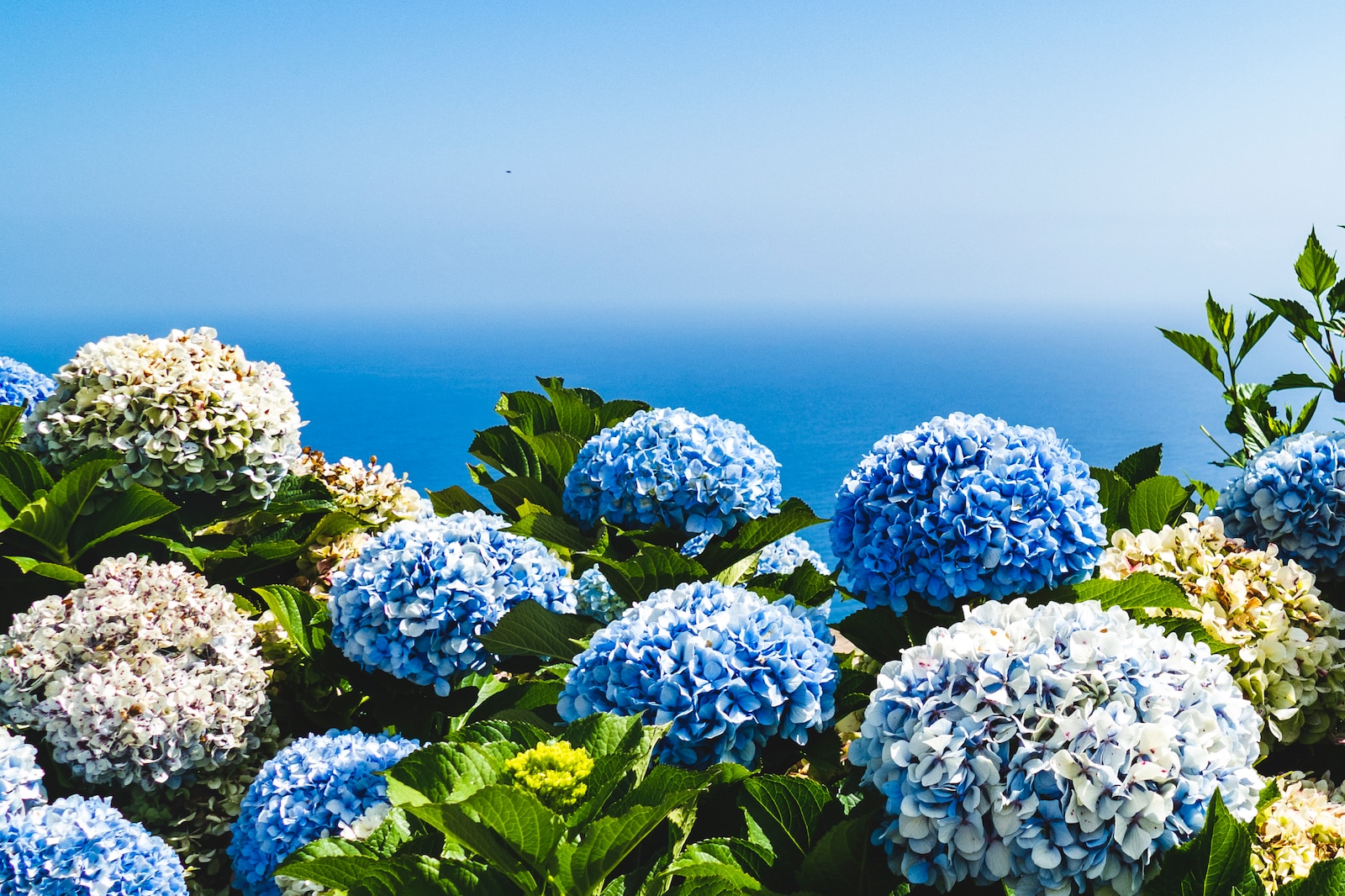
Hydrangeas have specific moisture needs and temperature ranges that are important for their growth and health. Here’s some general information about these requirements:
Moisture Needs:
Hydrangeas generally prefer consistently moist soil, but they don’t tolerate waterlogged or overly saturated conditions. Here are some key points to consider:
- Watering: Hydrangeas benefit from regular watering, especially during dry periods. Provide deep watering sessions rather than frequent shallow watering to encourage deep root growth. Aim to keep the soil evenly moist, but not overly saturated.
- Mulching: Applying a layer of organic mulch around the base of hydrangeas helps retain moisture in the soil and prevents weed growth. Mulch also helps regulate soil temperature.
- Drainage: Good drainage is crucial to prevent waterlogged soil, which can lead to root rot. If the soil in your garden is heavy or poorly drained, consider amending it with organic matter to improve drainage.
Temperature Ranges:
The temperature requirements of hydrangeas can vary depending on the specific species and varieties. However, here are some general guidelines:
- Hardiness Zones: Hydrangeas have different hardiness zones, which indicate the regions where they can thrive. It’s important to choose hydrangea varieties suitable for your specific hardiness zone. This information can often be found on plant tags or in gardening references.
- Sun and Shade: Most hydrangeas prefer morning sun and afternoon shade or dappled sunlight. Exposure to excessive heat or direct afternoon sun can cause wilting and sunburn on the leaves. However, some varieties, such as the panicle hydrangea (Hydrangea paniculata), are more tolerant of full sun.
- Winter Protection: In colder regions, hydrangeas may require additional protection during winter. This can include applying a layer of mulch around the base of the plant to insulate the roots and covering the plant with burlap or other protective material to shield it from harsh winds and frost.