Can you propagate an orchid from a leaf ?
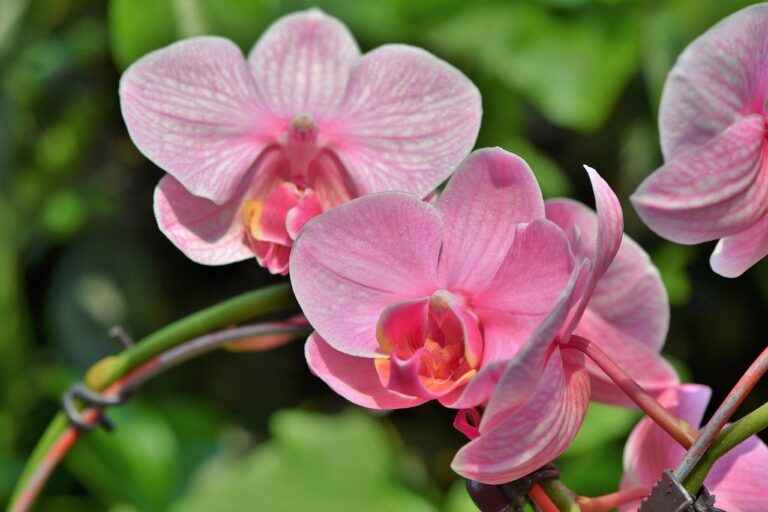
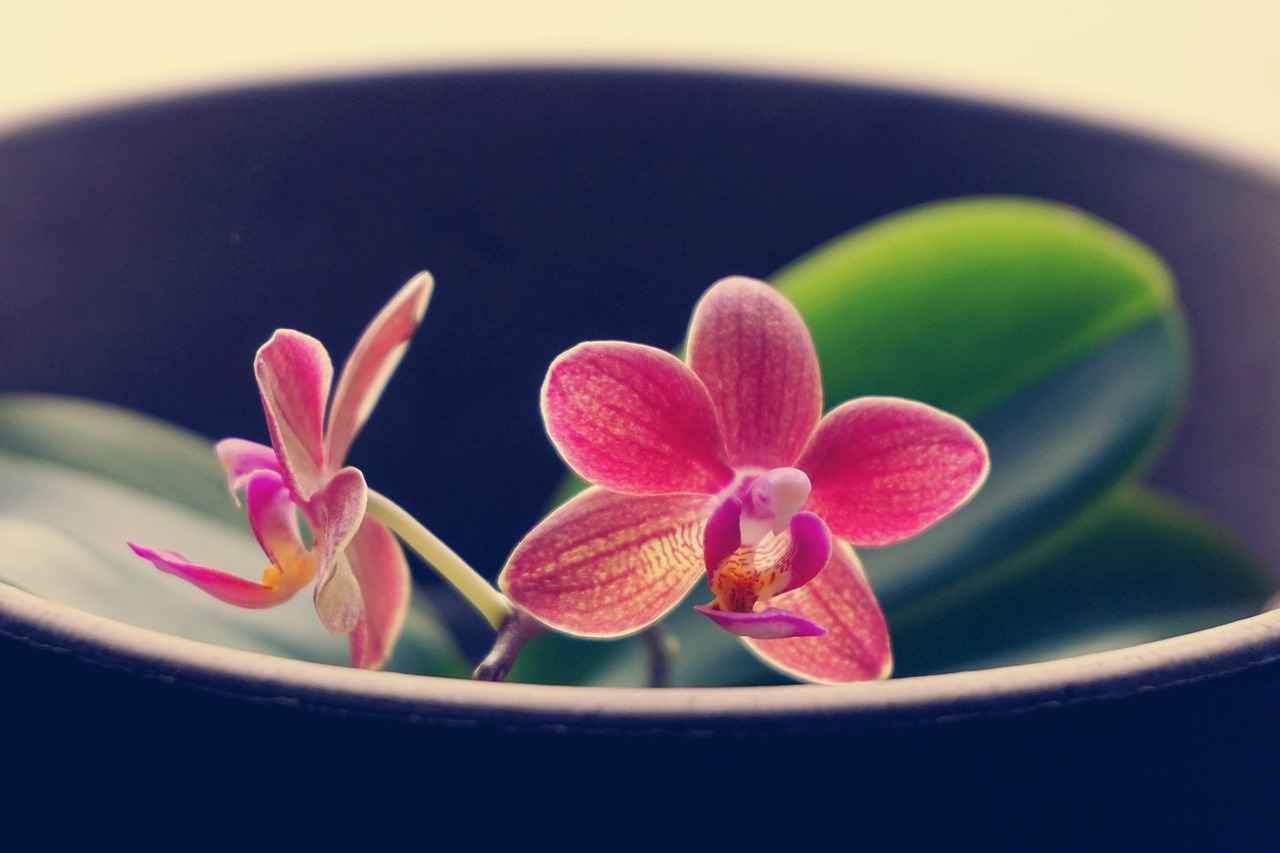
In home conditions, a good way to reproduce is to propagate an orchid from a leaf, the so-called keiki. The orchid strain, or keiki, is a young plant that the orchid produces naturally.
Orchids of the genus Dendrobium, Epidendrum and some species of Phalaenopsis and Vanda can be propagated by separating the side shoots i.e. keiki.
Propagate an orchid from a leaf
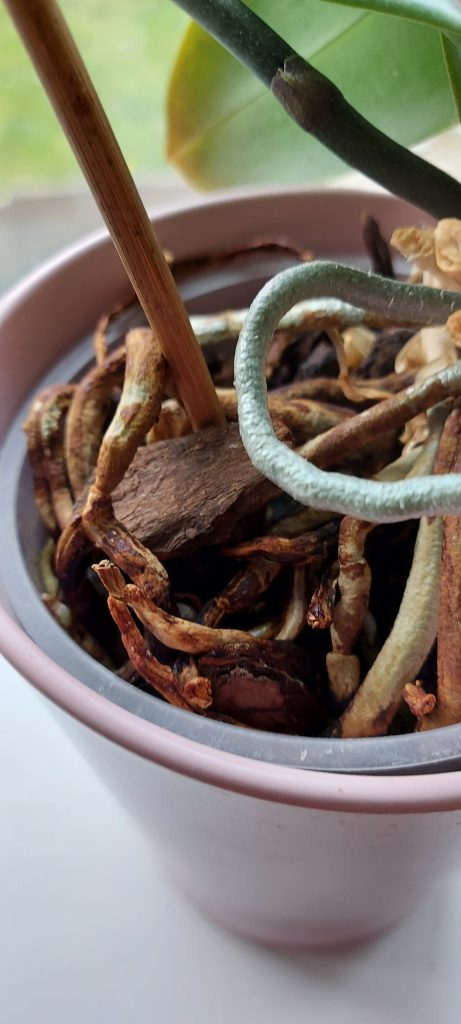
When the air roots on these shoots reach a length of at least 2.5 cm, you can cut off the seedling. Then you should plant it in a pot filled with a moist substrate.
You may want to tie seedling to a stake to keep it vertical. Then place it in diffused light and sprinkle it daily keeping the air around it moist.
Propagate an orchid from a leaf
How to get orchid keiki ?
Whether an orchid graft, or keiki, will form on the plant depends on the plant’s condition. Healthy, well-managed plants even produce keiki every year.
You must remember to cut off the faded flower stem only to the elbow, not the whole one.It will give a chance to produce a new flower or keiki at the elbow.
Another way to inoculate a keiki orchid is to force the plant to produce new plants. You can do it in spring or summer, as long as your orchid is in good condition, otherwise the plant may die after this treatment.
Artificial way
You should buy a special keiki ointment or make this ointment yourself from rooting agent mixed with petroleum jelly. Brush the eyes of the flower shoots on it.
However, many specialists warn against the use of this type of toothpaste. They are dangerous for the plant and may cause it to wilt.
Natural way
Under natural conditions, orchids produce keiki when their living conditions change and the plant senses the danger. In such cases, it produces orchid cuttings to give birth to young ones before wilting.
This mechanism can be used to your advantage, for example slightly cool down or dry the plant so it would think its in danger. Of course, this should be done carefully.
You will have to wait even several months for the keiki to form. When the orchid seedlings appear, wait about 6 months for the keiki to have roots a few centimeters long and 2-3 leaves.
If an orchid seedling happens to bloom, wait for it to fade. At this point you can cut off suitable young plant from the mother plant and planted in a pot. However, you will have to wait a year or even 2 years for flowering.
Important!
Remember to always add a little substrate from the mother plant to the new substrate to which you transplant cut-off rooted shoots. In order to survive, orchids require intercourse with mycorrhizal fungi, which will not be found in fresh soil. Therefore, it is always necessary to give some substrate from under an already cultivated orchid.