Orchid diseases
When you grow orchids at home, inevitably you will run in various problems including some nasty diseases. Symptoms of orchid diseases, such as leaf spots, lack of flowering or root rot, may appear as a result of cultivation errors or due to the action of pathogens or pests.
Then the most important thing is early and correct detection and application of appropriate treatment. Here are the most common orchid diseases and how to combat them.
Mistakes in growing orchids
Fertilization
Proper dosing of the fertilizer is extremely important. Too much fertilization of orchids causes thickening of the roots, which become stiff and brittle, while the leaves turn dark green and become hard and brittle. In this case, further fertilization should be discontinued and continued to water preferably with rainwater until the symptoms disappear.
In the case of an overdose of fertilizer, the substrate decomposition is also frequent, which may lead to rotting of the orchid roots, in which case the plant should be repotted immediately and the underside of the leaves should be sprinkled, avoiding excessive watering at the same time.
Fertilizer deficiency causes orchids to wither away, bloom less often and get sick more often.
Temperature and light
Inappropriate temperature often causes orchid diseases – fungal or bacterial. It is worth remembering the temperature when transporting the plant, e.g. by car. It may freeze in winter and overheat in summer. As a result of the thermal shock, the entire life process of the orchid is disrupted and the plant cannot be saved.
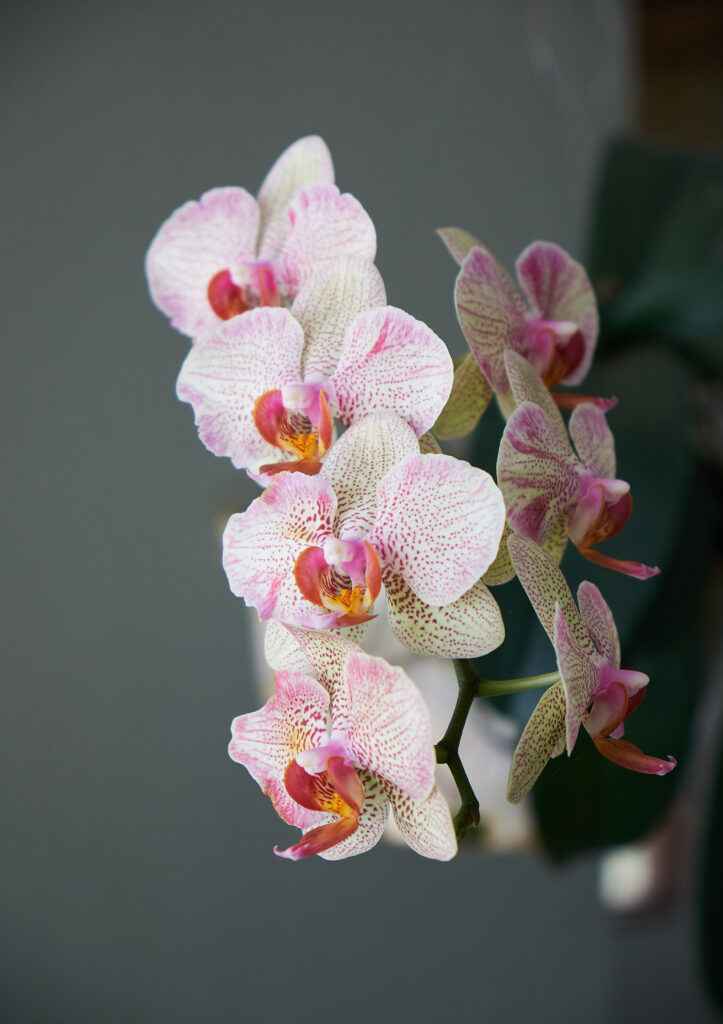
In winter, when the orchid stands on the windowsill, it may freeze as a result of leaky windows, while in summer, too intense sunlight may lead to burns. The symptom of burns is white spots on the orchid leaves with a black border.
Watering orchids
Too little watering may not show any visible symptoms at first as most orchids are drought-resistant. It is therefore very difficult to tell when an orchid will wither. The orchid withers only when it has really been plagued by drought for a long time.
On the other hand, when we water too much the orchid rots, fungi and bacteria start attacking it. Proper watering of orchids is a real art, so it’s worth finding out exactly how to water an orchid.
Warning! When watering, do not leave water in the leaf axils as it leads to rotting of the entire plant.
A substrate for an orchid
Orchids, above all, need a porous and nutrient-poor substrate, which means that a lot of air enters the roots. Too strict a substrate or too much nutrients (over-fertilization) causes the orchid to rot.
Flower falling
Especially in winter, orchids are exposed to premature flowering or undeveloped buds. All this is due to the lack of enough sun, as well as the occurrence of drafts and cold air – then the orchid quickly loses its flowers.
The causes of flower fall can also be volatile substances emitted by ripening fruits or vegetables, and even glues or paints, a large amount of carbon dioxide in the room caused by lighted candles, or cigarette smoke.
Orchid diseases
Fungal diseases of orchids
Fungi are one of the more common pathogens that attack our orchids. They infect both the roots, shoots and leaves of orchids. Phalaenopsis and Vanda orchids often suffer from a fungal disease that attacks the “heart” of the orchid, ie the middle leaves.
In this case, you must immediately remove the affected leaves and dry the resulting wound. The fungi that attack the leaves themselves do not pose too much of a threat to the entire plant. The infected leaf is best removed.
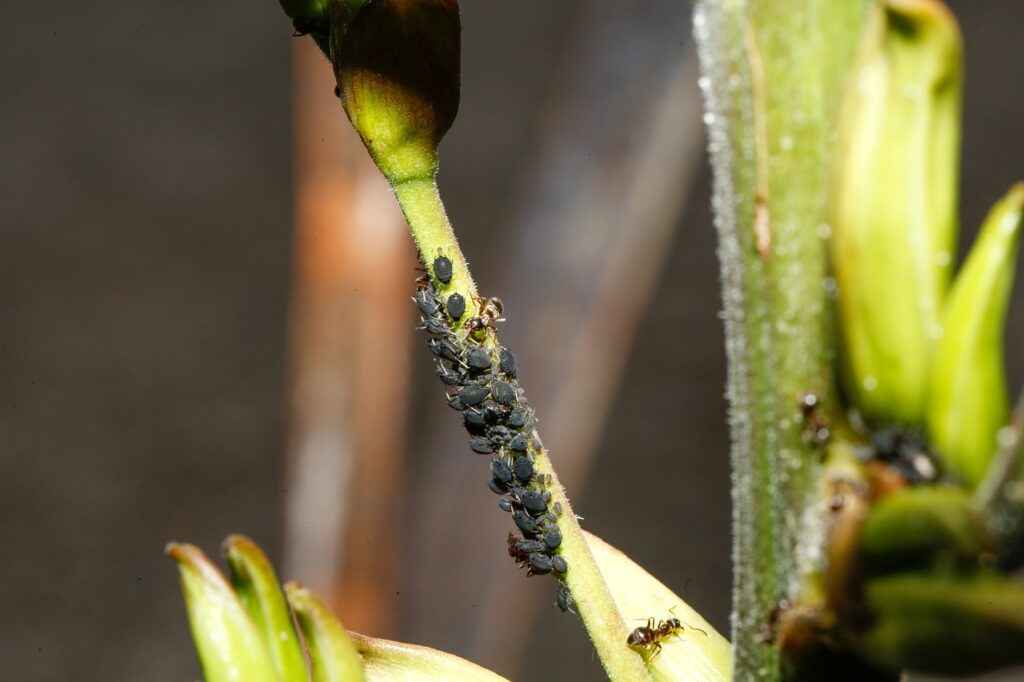
Orchid fusariosis
As a result of infection with fusariosis, the lower, oldest leaves begin to turn yellow, turn brown and finally die. At the base of the orchid, black rot is visible, on the surface of which orange spores are visible. An infected orchid can be destroyed, preferably burned.
Rot rot of an orchid
In the event of gangrene, the orchid withers, leaves lose their color, turn brighter and wrinkle. Dead leaves can be easily separated from the main part.
Gray orchid mold
Disease caused by the fungus Botrytis cinerea. Gray mold can infect many other potted and garden plants as well. As a result of the infestation of an orchid with gray mold, light gray, watery spots appear on the flower petals during flowering, which grow rapidly. To prevent the development of this disease, ventilate the room and avoid wetting the plants when watering.
Orchid bacterial diseases
The main pathogens for orchids are Pseudomonas bacteria, which cause bacterial wet rot. Infected areas on the leaves become soft and slimy, and release an unpleasant odor when moved. There is only one solution: cut off the leaves and sprinkle the cut areas with charcoal, and in the case of severe infection – remove the entire plants.
Bacterial leaf spot
This disease occurs mainly on Phalaenopsis. There are slight bright spots on the leaves of the orchid, gradually increasing in size. There are gray-brown clusters of bacteria on the underside of the spots. In case of symptoms, remove infected leaves.
Orchid viral diseases
There are no effective virucides against viruses, so prevention is the best treatment. Viruses are spread by aphids and thrips, as well as dirty garden tools and dirty water. Therefore, it is very important to properly cultivate and keep clean with each care treatment.
Orchid pests
Mealybugs
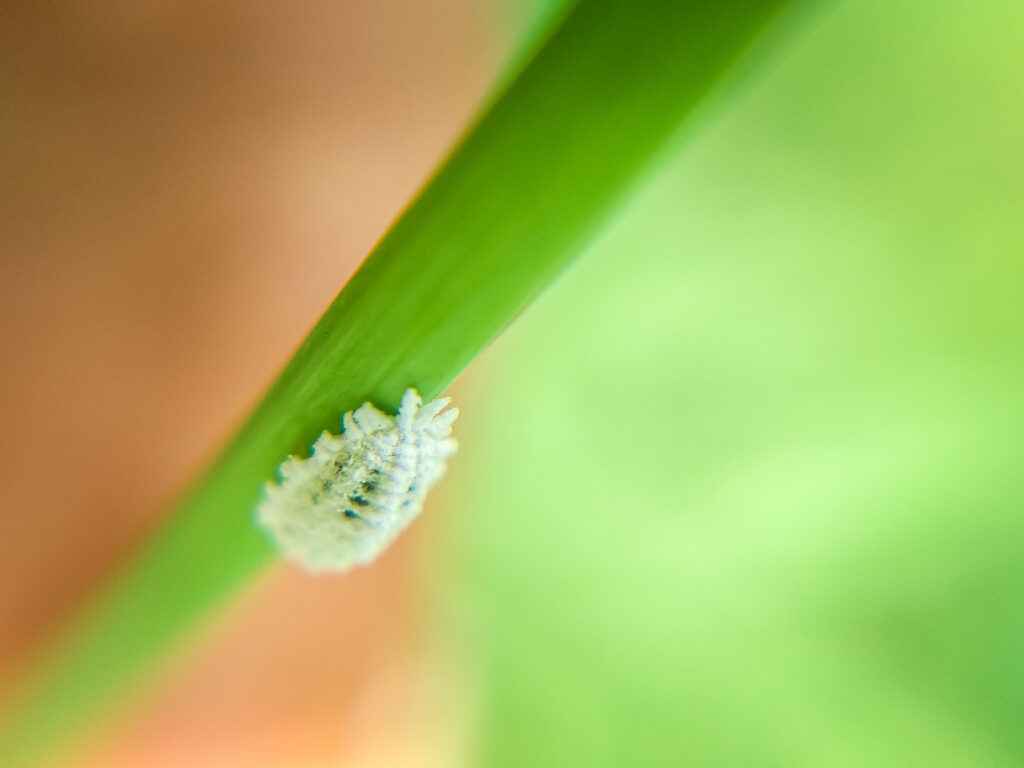
These are the most common pests of orchids, they usually hide in the leaf axils from where they spread quickly. At the time of their occurrence, wiping the plant with a cotton swab with alcohol is a rather ineffective tactic, and certainly very laborious.
Shields
These pests locate on the underside of leaves. Usually, brown, small (female) shields are visible, under which the pest eggs are located. You can scrape the discs with your fingernail and remove the eggs. You can also lubricate the discs with oil, which kills pests by cutting off the air.
Spider mites
These pests are arachnids that occur on the underside of leaves. They suck the sap from the leaf, filling the infected areas with air. In these places, the leaf tissue glows silver. Usually, when spider mites are noticed, the whole leaf or the whole plant is infected.
The presence of spider mites is favored by dry air and high temperature. Therefore, you can counteract it by taking care of the appropriate humidity and by regularly sprinkling the plant.
Aphids
These insects are not very common on orchids. It is worth remembering that aphids transmit viruses, so when you notice aphids on an orchid, you should rinse them under running water or use anti-aphid preparations.
Warning! Before applying a plant protection product to our orchid, it is good to spray a part of the plant. Sometimes, the active substances contained in a given preparation can harm the plant, then you need to use a different preparation. If you decide to spray, take the plants out and do it outside so as not to harm yourself and other household members.