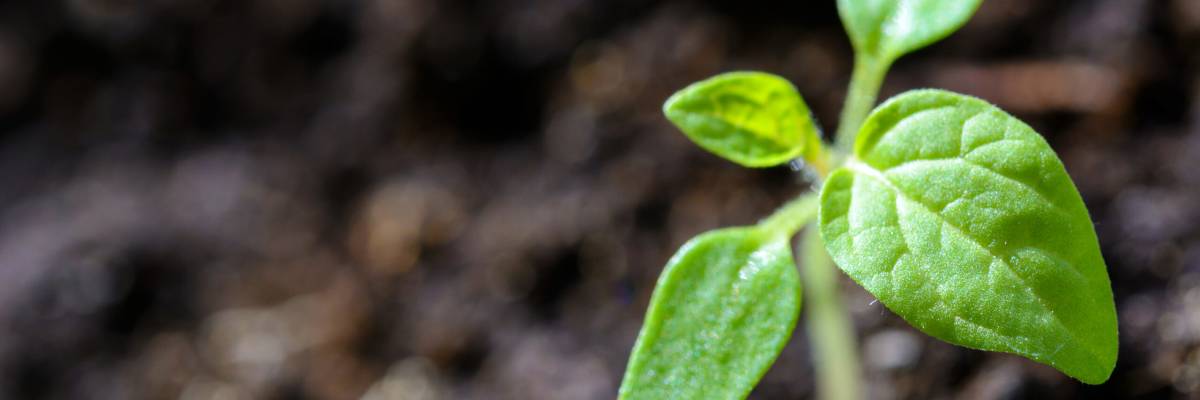
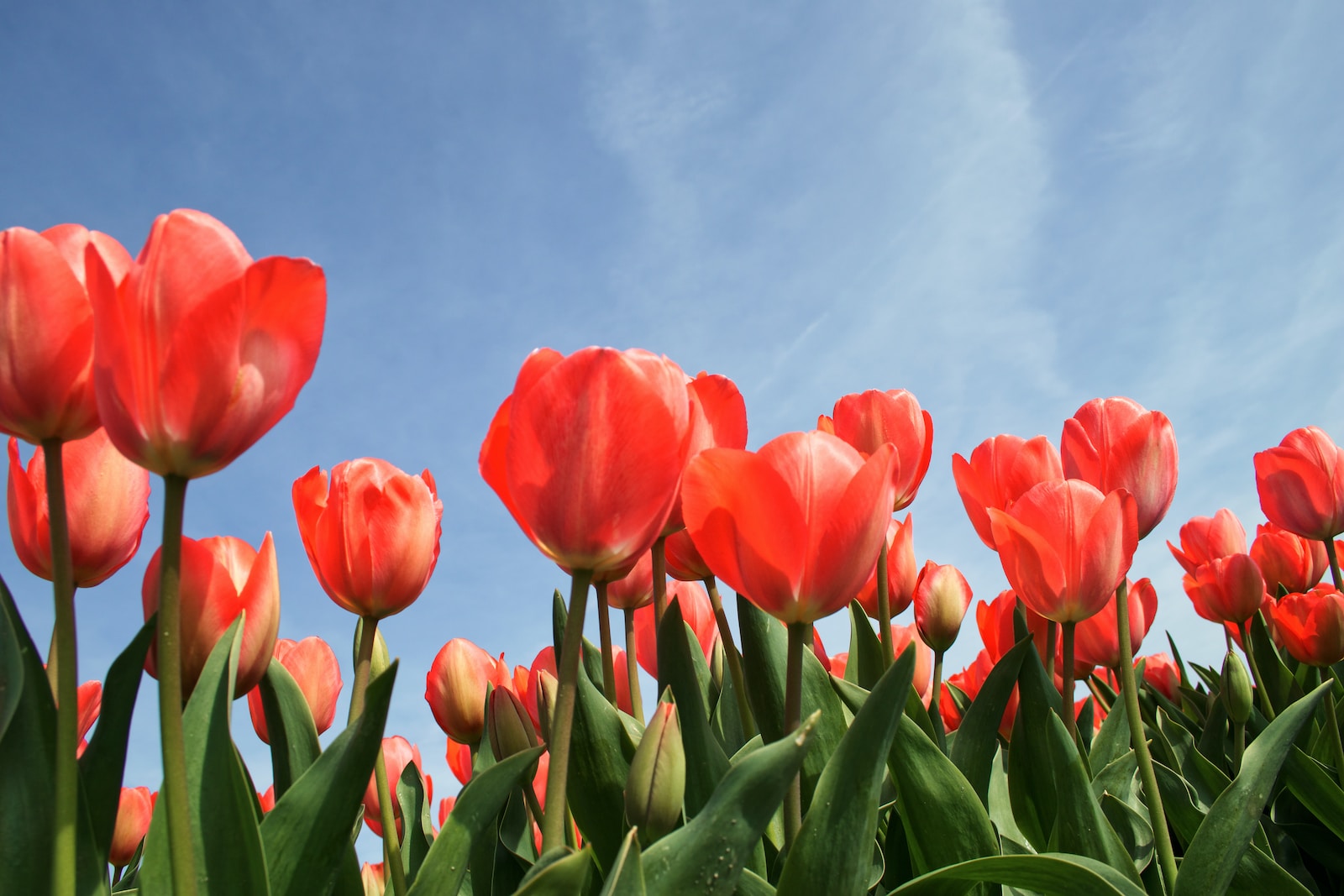
Tulips soil requirements
Tulips are popular and vibrant spring-blooming flowers that add a touch of elegance to any garden or landscape. To grow healthy and beautiful tulips, it is essential to provide them with suitable soil conditions. The soil requirements for tulips play a crucial role in their overall growth, development, and ability to produce stunning blooms. In this article, we will explore the ideal soil conditions for tulips in detail.
Tulips soil requirements – Drainage
Tulips thrive in well-drained soil. Good drainage is essential to prevent waterlogged conditions that can lead to root rot and other fungal diseases. Heavy clay soils tend to retain water and can cause bulbs to rot. Therefore, it is advisable to amend clay soils with organic matter such as compost, peat moss, or well-rotted manure to improve drainage.
Tulips soil requirements – Ph
The pH level of the soil also influences tulip growth. Ideally, the soil pH for tulips should be slightly acidic to neutral, ranging from 6.0 to 7.0. Conducting a soil test will help determine the pH level of the soil. If the pH is too low (acidic), adding lime can help raise it, while sulfur can be used to lower a high (alkaline) pH.
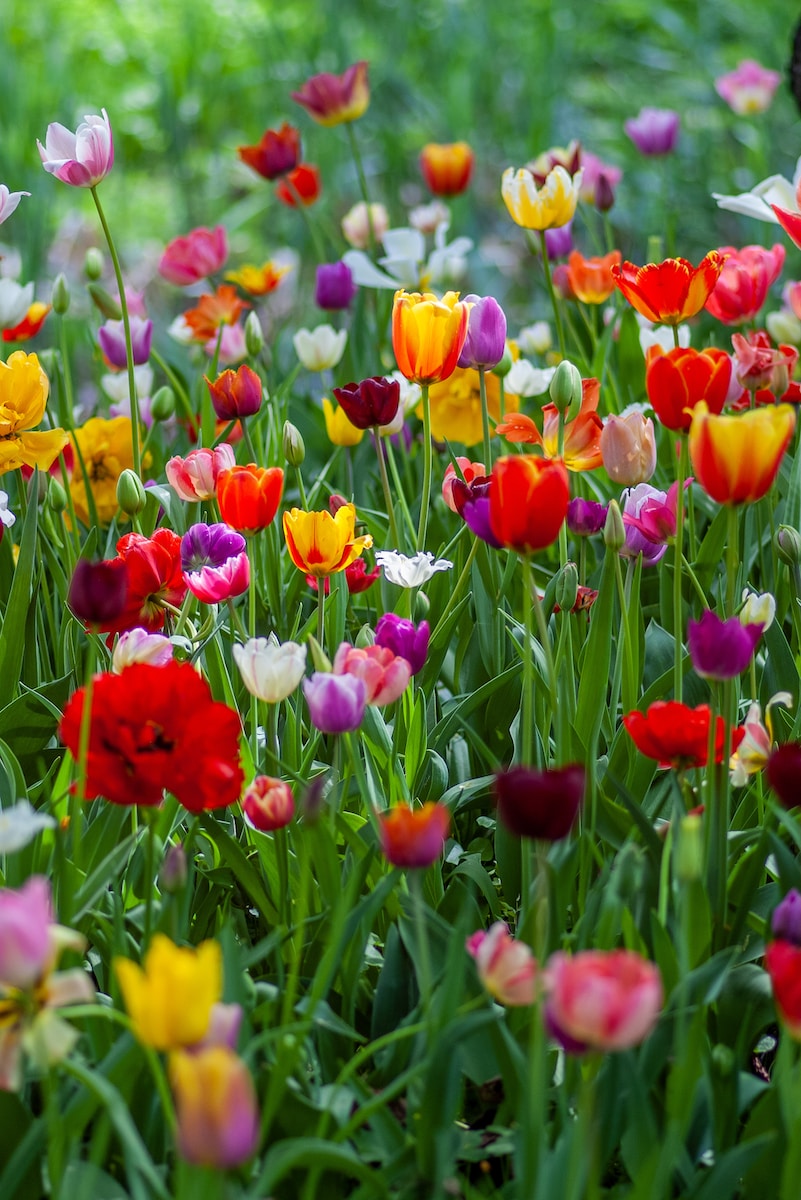
Tulips soil requirements – fertilizing
Tulips prefer fertile soil rich in organic matter. Organic matter improves soil structure, enhances drainage, and provides essential nutrients to the plants. Adding well-rotted compost, leaf mold, or aged manure to the soil before planting tulip bulbs will help improve soil fertility and texture. This organic matter also aids in moisture retention, ensuring the bulbs receive adequate water during their growing season.
Tulips soil requirements – texture
Proper soil texture is another important aspect for tulip cultivation. The soil should be loose, well-aerated, and crumbly. Sandy soils tend to drain quickly, which can be beneficial for tulips, as long as they are supplemented with organic matter to improve water retention. Loam soils, which have a balanced mixture of sand, silt, and clay, are generally considered ideal for tulips due to their ability to retain moisture while providing good drainage.
Tulips soil requirements – Position
Sunlight is crucial for tulip growth and flower production. Therefore, it is essential to select a planting location where tulips will receive full sun or at least six hours of direct sunlight each day. The soil in this area should be suitable for tulips to grow optimally.
When planting tulip bulbs, it is important to consider the depth and spacing requirements. Tulip bulbs should be planted at a depth that is two to three times the height of the bulb itself. The recommended spacing between bulbs is typically around four to six inches apart, allowing enough room for the bulbs to develop and grow without being overcrowded.
Tulips soil requirements – moisture
In terms of watering, tulips need regular moisture during their growing season, especially in the spring. However, overwatering should be avoided, as it can cause bulb rot. The soil should be kept moist but not waterlogged. Mulching the soil around the tulip bulbs with organic materials like straw or wood chips can help conserve moisture and suppress weed growth.
Conclusion
In conclusion, tulips require well-drained soil with a slightly acidic to neutral pH. Fertile soil rich in organic matter promotes healthy growth and abundant blooms. The soil texture should be loose and well-aerated, allowing for proper root development. Full sun exposure and adequate spacing are crucial for optimal growth. Proper watering and moisture management are also essential. By meeting these soil requirements, you can ensure the success of your tulip garden and enjoy a colorful display of beautiful flowers in the spring.