Poinsettia cultivation, care, wintering
Associated with Christmas, poinsettia is becoming more and more often a Christmas decoration in our homes. How to keep poinsettias blooming for as long as possible? Learn the rules of growing and caring for poinsettias at home and see how to overwinter the plant for next year!
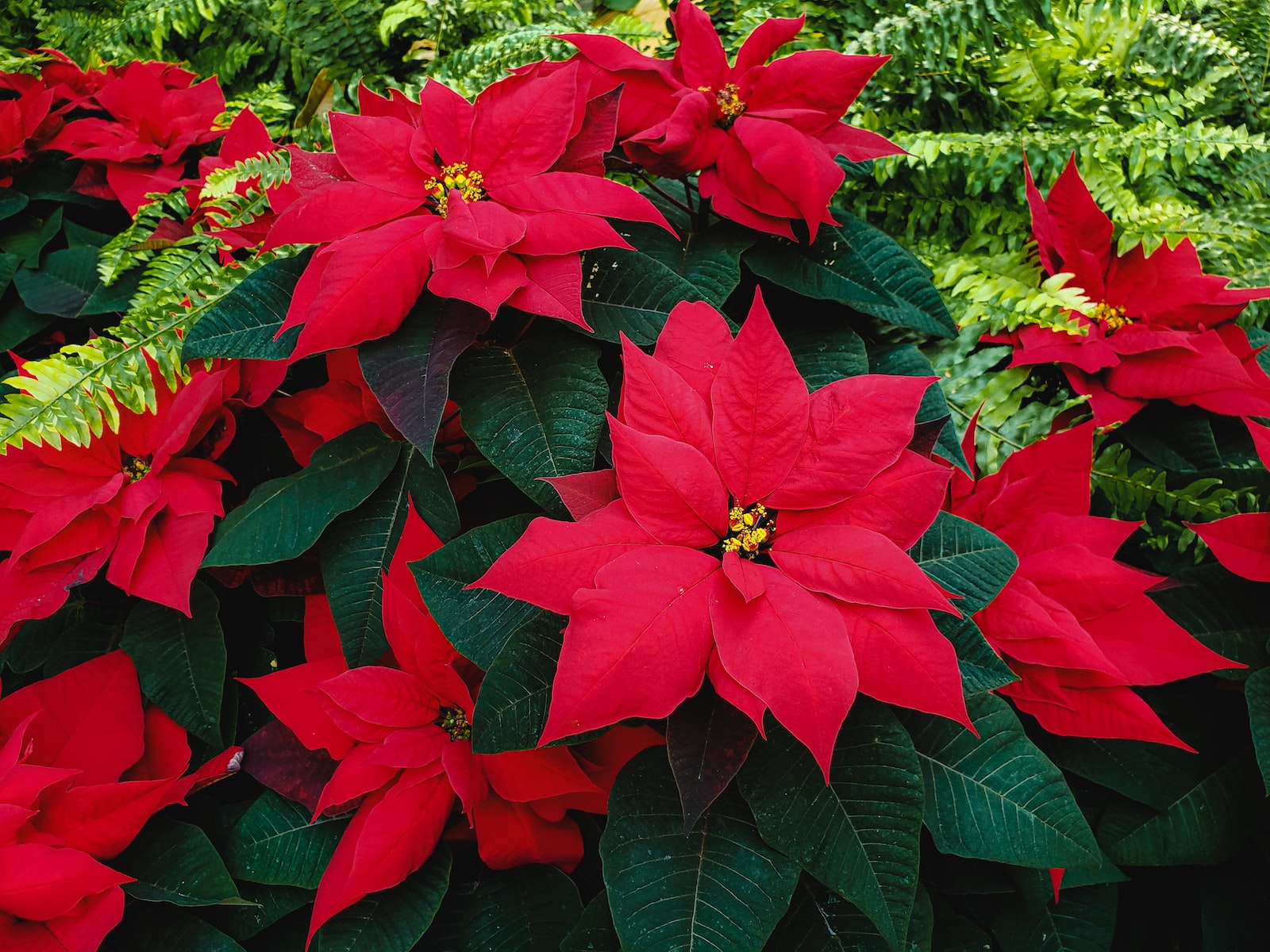
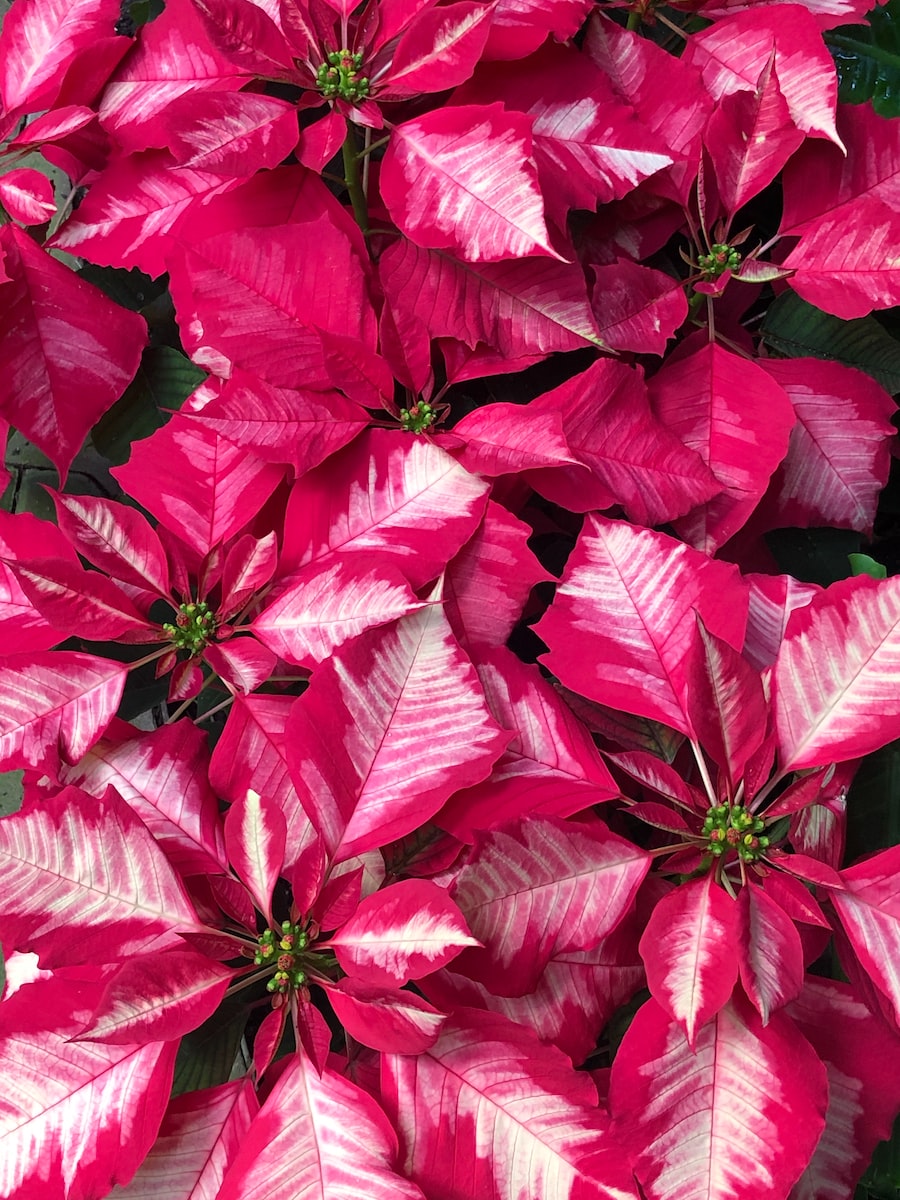
Poinsettia is often called the Star of Bethlehem. The plant owes this name to the top leaves, called bracts, which change color wonderfully, contrasting with the lower green leaves. The bracts are usually red, but there are also varieties of Star of Bethlehem with leaves discoloring orange, yellow or white, as well as two-colored.
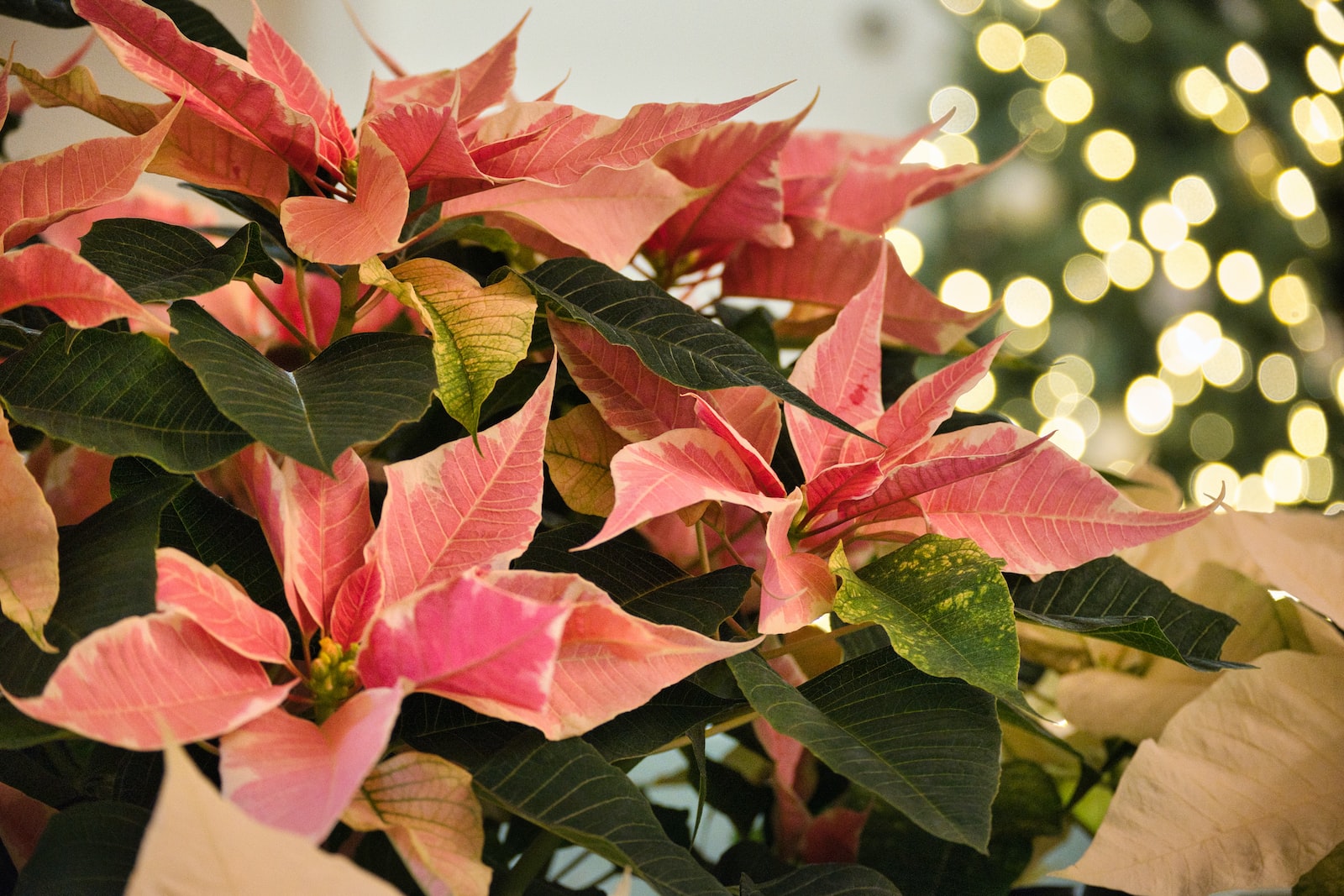
When we look at the plant from above, the beautifully colored top leaves look just like a star. The flowers of the Star of Bethlehem themselves, located on the tops of the shoots, are inconspicuous and basically do not determine the decorative qualities of the plant.
Poinsettia cultivation and care
Poinsettia requires a lot of heat and does not tolerate frost. Buy the plant on warm and windless days, as it is very sensitive to cold and drafts. For this reason, do not buy plants sold outside, and in flower shops, avoid specimens standing by the front door. It is also worth paying attention to the seller properly packing our poinsettia – it should be tightly wrapped in paper.
At home, the Poinsettia requires a warm and bright position (but not in direct sunlight and not directly next to radiators), with a temperature of 18 – 21 ° C, and a constantly moist, peat substrate. Do not allow the plant to dry out, as a withered plant may not regain its former beauty.
However, remember that too much water can be harmful. When the soil is too wet for a long time, the plant is easily attacked by fungal diseases and the roots rot. Such a plant can no longer be saved.
Therefore, it is best to water the poinsettia moderately, once every two days, not allowing the water to stay on the stand for too long. When the room is dry, it is worth spraying water mist around it or using an air humidifier.
Caring for poinsettia at home also requires proper fertilization. During the growth period, fertilize the Poinsettia moderately, feeding it with fertilizer for flowering plants once every two weeks.
At the same time, you should not rush to fertilize plants bought before Christmas. Usually, the doses of fertilizers in the substrate are sufficient for the plant until mid-January.
How to overwinter poinsettias?
Even proper care will not protect the plant from losing its leaves at the end of winter. This is natural, because during this period the plant goes into a state of rest. Then you need to shorten its shoots.
Bushy forms should be cut so that there are no more than 2 – 3 buds left on the side branches (they are always in the leaf axils). On the other hand, single-shoot forms should be cut over the 3rd or 4th bud. Don’t worry if there isn’t even a single leaf left after cutting. They would fall anyway.
After trimming, place the poinsettia for 4 to 6 weeks in a cool room with a temperature of 12 – 15°C, stop watering and fertilizing. Access to light during this period does not matter much.
To enable further cultivation of poinsettias in March or April, the plant should be transplanted to fresh, fertile soil with the addition of 15% expanded clay granules and coarse sand. The ideal soil pH for poinsettias is between 5.8 and 6.5.
Usually it is enough to replace the soil, leaving the plant in the same pot, unless we want it to grow larger. Place the transplanted poinsettia in a bright (but not in full sun) and warm place, with a temperature of about 20°C. Water generously to stimulate growth. Fertilization begins when new shoots reach a length of several centimeters.
Trimming the shoots of the Poinsettia
Another important procedure in the care of poinsettias is pruning the shoots in the summer months. In order for the plants not to be too exuberant and have a nice, compact habit, producers treat them with agents that inhibit growth (so-called retardants).
At home, we can keep the plant’s relatively compact by cutting all new stems to about 2 centimeters in July. After a month, the treatment is repeated.
Attention! When pruning the Poinsettia, watch out for the milky sap flowing from its shoots. Avoid contact with this juice, as it can cause skin irritation and allergic reactions. If your hands are dirty, rinse them with lukewarm water so that no poinsettia juice remains on the skin.
How to make poinsettia bloom again?
In order to get a nice color of the top leaves for Christmas, from the second decade of November the plant should be covered in such a way that it remains in complete darkness for 14 hours a day for about 4 – 6 weeks. The easiest way to cover it is with a cardboard box.
Remember, however, that the beautifully blooming and colored poinsettias that we buy in flower shops are grown in greenhouses, where they have ideal conditions.
Don’t worry if your poinsettia fails to bloom again. At home, it is difficult and it is not without reason that most people treat the star of Bethlehem only as a one-time decoration for a few weeks.