Is Poinsettia poisonous ?
Although it decorates our homes beautifully, many people fear that Poinsettia is poisonous. A lot of unflattering opinions have accumulated around her. Is Poinsettia poisonous? Can it cause allergies and what are the risks of contact with the juice leaking from the shoots.
Is Poinsettia poisonous to humans?
Poinsettia contains poisonous white milky juice in its tissues, as do all other spurges. This juice contains euphorbic acid, euphorbin and cyanogenic compounds that can painfully burn the skin, cause dermatitis, and if it gets into the eye – even temporarily blind a person.
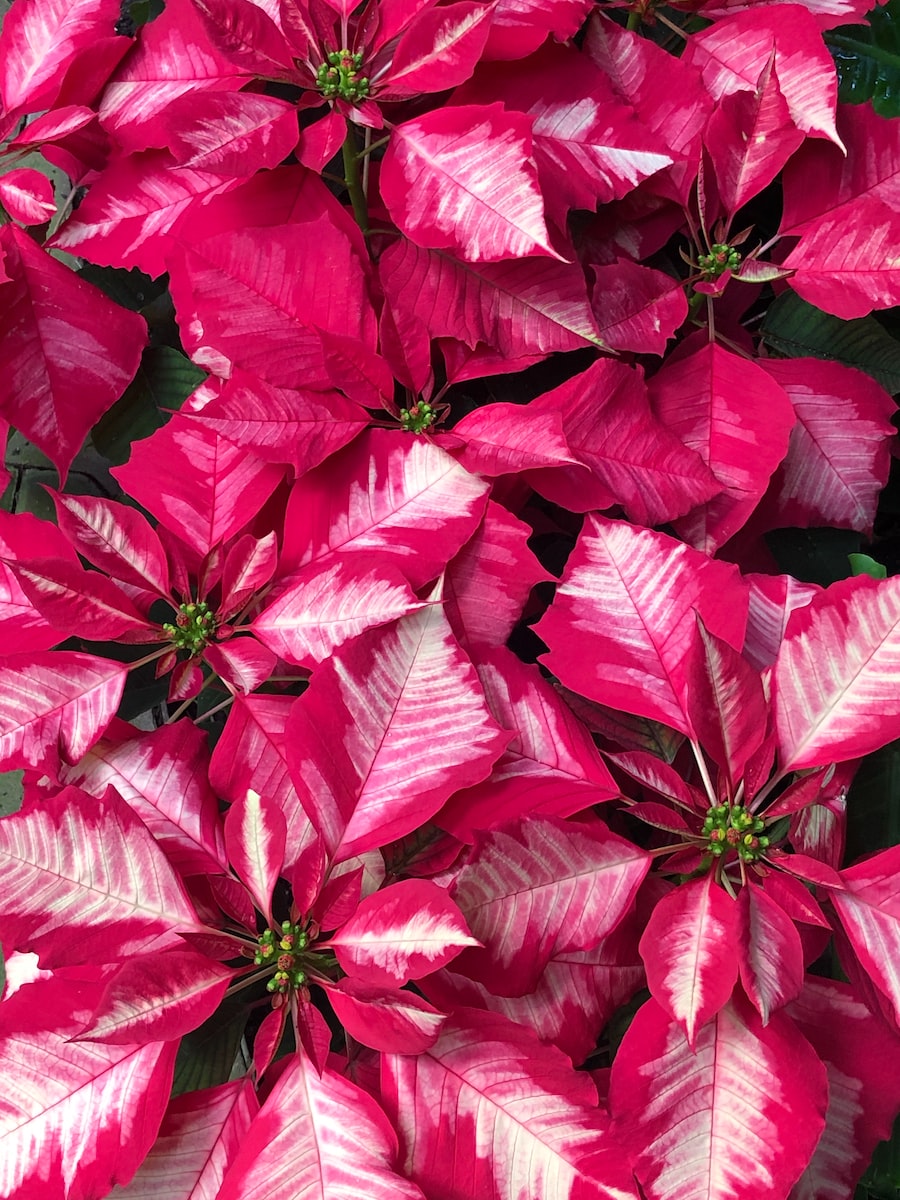
Poisonous juices are found in both the root, leaves and stems of Poinsettia. It is also worth knowing that the bract leaves we admire (the ones that turn red so beautifully) owe their color to dyes belonging to anthocyanins.
It all sounds dangerous. So much so that some people think that the name poinsettia comes from the English word poison. But that is complete nonsense! The name poinsettia comes from the name of Joel Roberts Poinsett, who brought the plant from Mexico to the USA.
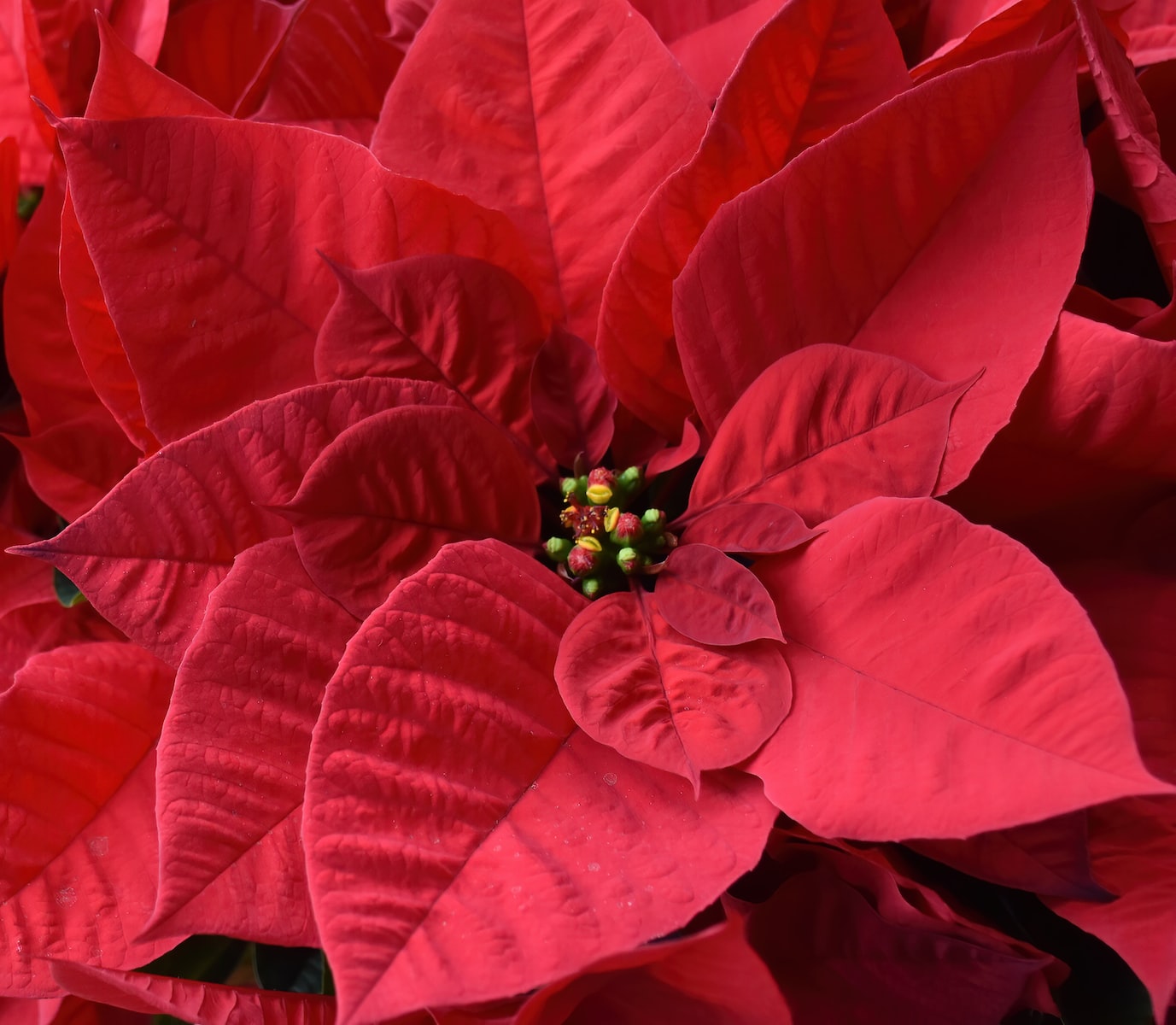
In practice, it turns out that reports of the highly poisonous effects of Poinsettia are greatly exaggerated. And so, although Poinsettia can cause gastrointestinal disorders, nausea and vomiting after consumption. In practice this applies to less than 10% of recorded cases of consumption of this plant by humans. Symptoms are usually very mild and rare.
When bringing Poinsettia home, it is worth placing it in a place inaccessible to small children, and when caring for the plant, avoid direct contact with its juices, which may flow out, for example, after breaking a twig. But there’s no need to overdo it. The vast number of houseplants grown in our homes can be much more poisonous than Poinsettia.
Does Poinsettia cause allergies?
People allergic to latex should avoid growing Poinsettia. Almost every second person with latex allergy develops allergic symptoms after direct contact with the Poinsettia. The effect of such contact may be inflammation of the skin, mucous membranes, and much less often an allergic asthma attack.
For this reason, with damaged poinsettia, from which juice leaks, it is worth proceeding carefully. Try not to get dirty any juice on hands, and even more do rub your eyes with milk coming out of its twigs. Wash your hands thoroughly after.
Is Poinsettia poisonous to a cat or dog?
The toxicity of Poinsettia to pets is low. For example, in the case of cats, the risk can be described as low. Plants such as potted azalea, oleander, clivia, Persian cyclamen or the very popular ficus benjamin are much more toxic to the cat.
Nevertheless, it is worth knowing that in the event of contact of poinsettia juice with the mucous membranes of the animal, they can cause severe irritation and pain, and if swallowed, severe diarrhea and vomiting may occur, which ultimately leads to dehydration of our pet.
First aid consists in rinsing irritated eyes or mouth with clean, lukewarm water. Then you should go to the vet, who will give you emetic drugs, activated charcoal, and if necessary, hydrate the animal and give painkillers.