How to propagate Lavender from cuttings ?
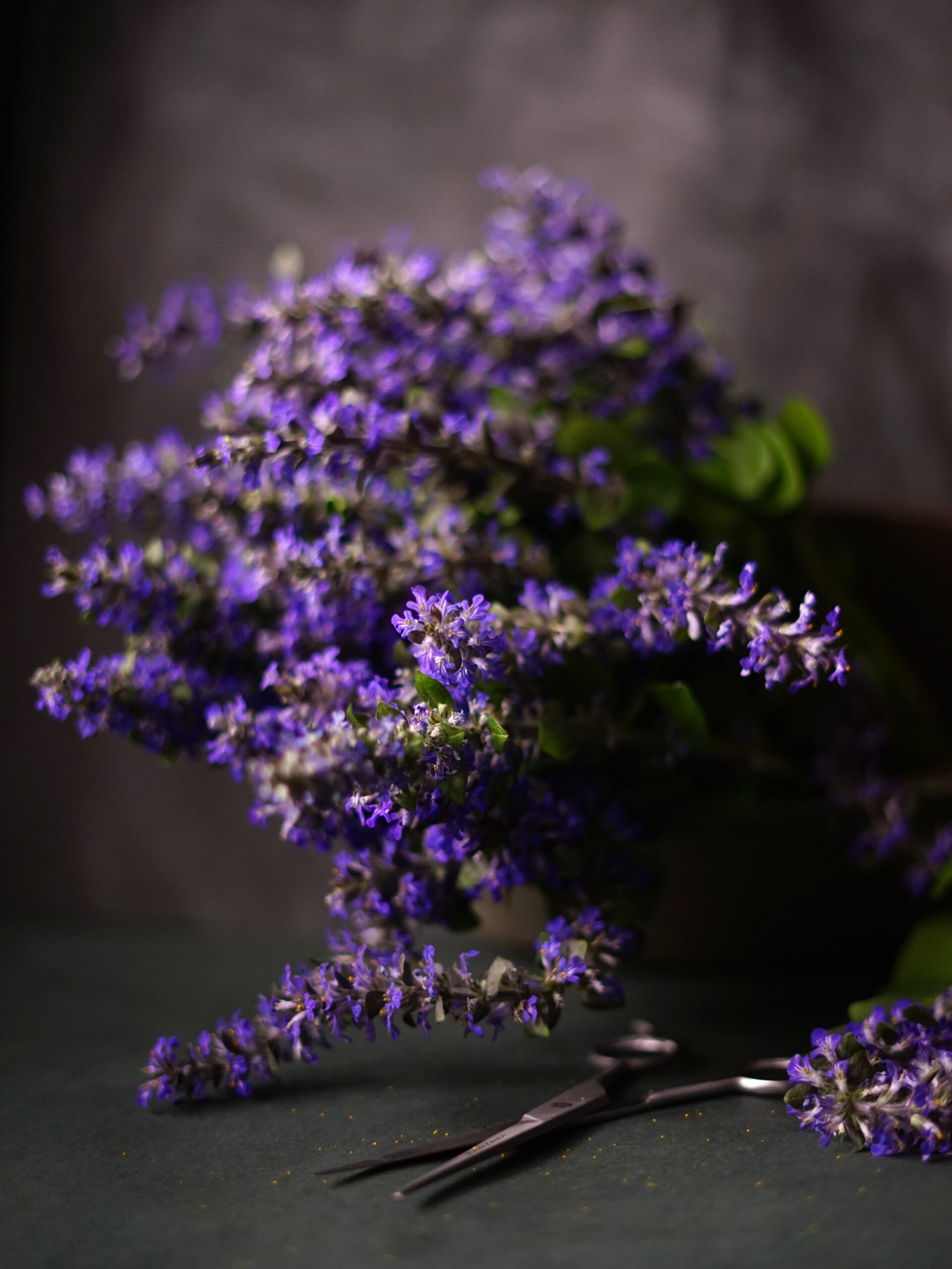
Lavender is an evergreen shrub decorated with narrow, silvery leaves and beautiful purple inflorescences gathered in showy spikes. Its scent captivates people and repels insects such as mosquitoes and ticks. In addition, it is extremely easy and grateful to grow. How to propagate lavender from cuttings?
Prepare to propagate Lavender from cuttings
When preparing to propagate lavender from cuttings, you need to get two years old, healthy, strong shoots from the mother plant. It is best to do this right after the plants have flowered.
From each shoot, remove the inflorescence just above the first branch (if the seedlings are too long, you can shorten them above the lower branch so that each seedling is about 8-10 cm).
After this procedure, remove the lower leaves from the cuttings so that there are 3-4 cm of bare shoots left, from which roots will grow later. It is also important not to leave dry leaves on any of the seedlings, which will become moldy very quickly and endanger the plants.
Planting
After the seedlings are properly prepared, it is worth immersing them in a rooting agent. After such treatment, lavenders will take root after 2-4 weeks.
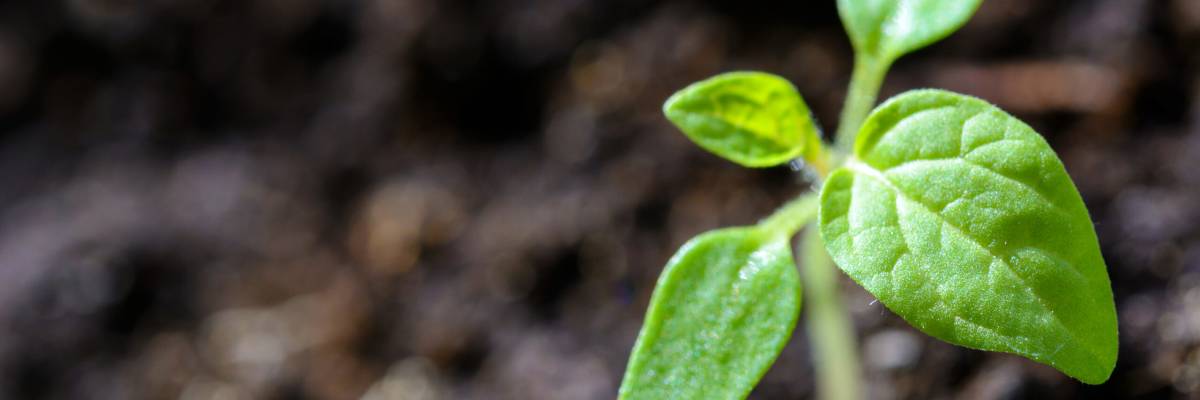
Now it’s time to put the seedlings in the ground. An ideal substrate for lavender will be a mixture of sand and peat. The soil prepared in this way already contains fertilizer, which will allow the lavenders to grow a bit before winter and provide them with the optimal dose of nutrients to start with.
Watering
After placing the seedlings in the substrate, water them so that the water stands on the surface for a while and the substrate covers the entire underground part. You will be able to enjoy the new plants for many years with the satisfaction that you have grown them yourself.