How orchids are built ?
Morphology – what has an orchid flower inside?
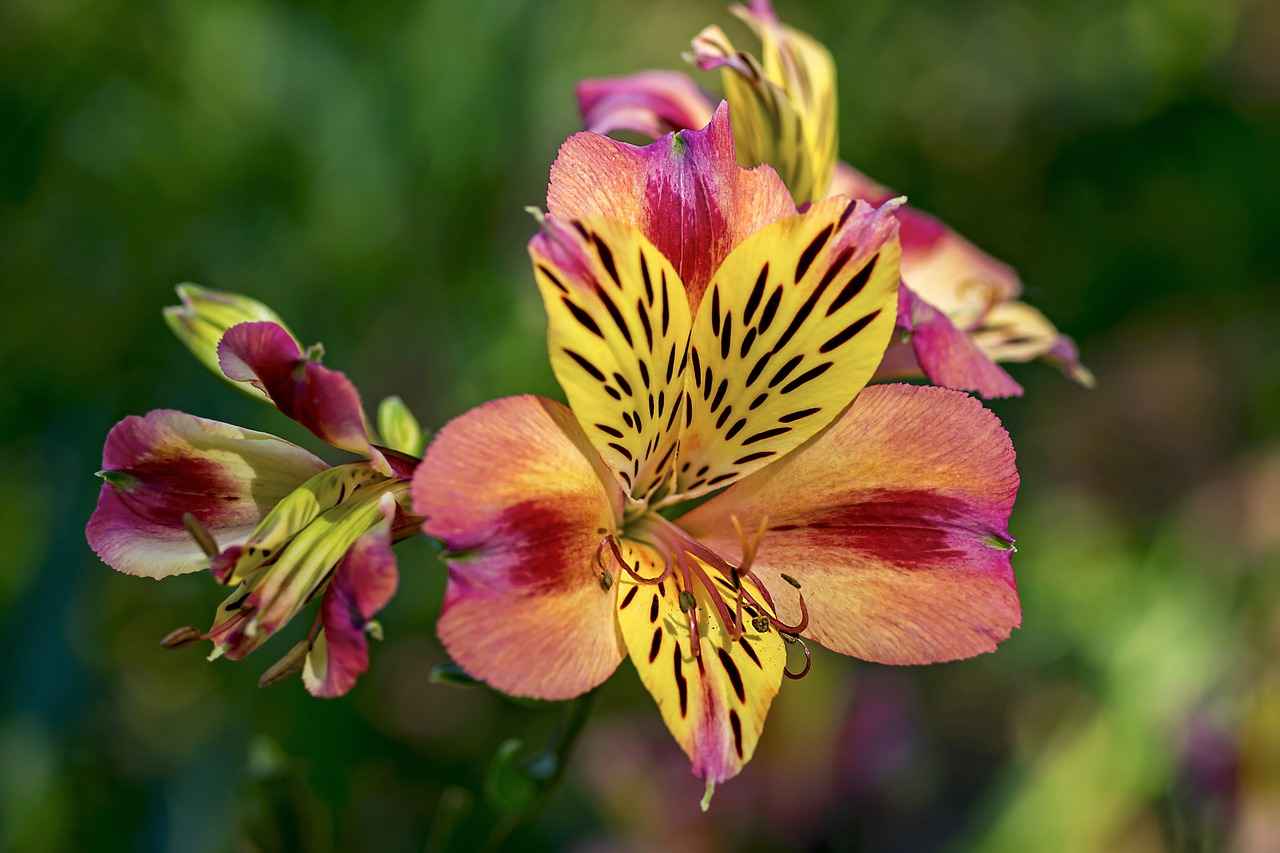
What we immediately associate with the word orchid are beautiful, complex, colorful flowers. And it turns out that despite very large differences in the appearance of flowers of different varieties of orchids, all of them can show the same pattern and the same structure elements. So how orchids are built?
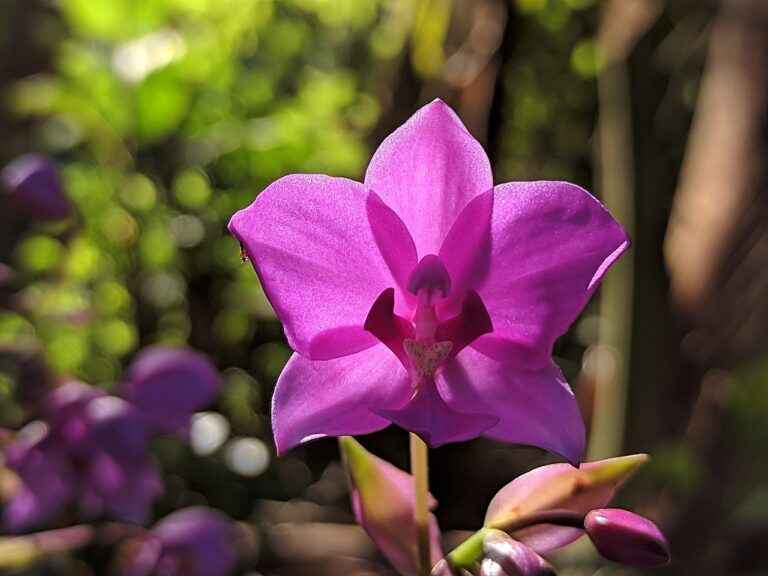
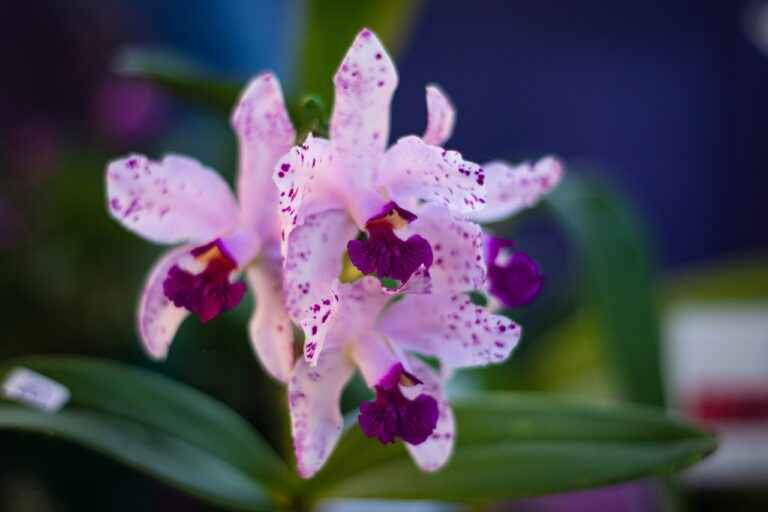
Orchid flowers are dorsal – only one plane of symmetry can be led through the flower. Perianth leaves (plots) are collected in two whorls.
Among the leaves of the inner whorl, the lower one, different from the other two, is a lip. It is a ‘landing pad’ for insects pollinating the orchid.
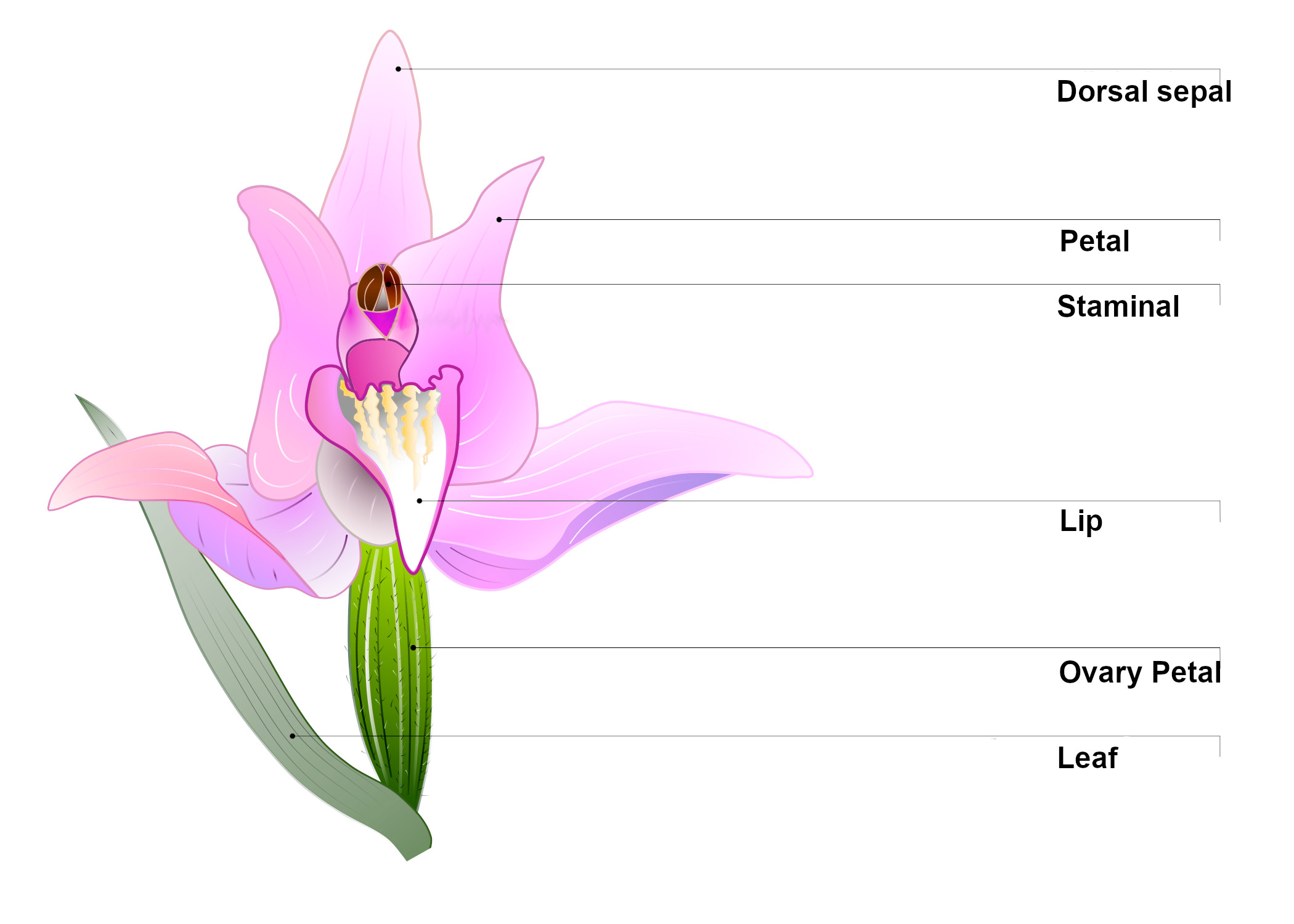
How Orchids are built ?
Monopodial or sympodial orchid?
Of course, orchids are not only flowers, but also stems, leaves and roots. Some orchids grow throughout their life through the growth of one shoot, then we call it ‘monopodial type of growth’.
The remaining orchids show a ‘sympodial’ type of growth. Each shoot dies after one or two growing seasons. New shoots form from side buds growing at the base of old shoots.
The terms mono- and sympodial can mean as ‘one foot’ and ‘many feet’ respectively. Practical importance for amateur breeding is the fact that you can propagate sympodial orchids by the method of division.
This method is much easier and allows to obtain plants capable of flowering faster than with the sowing method. Essentially it is the only one option with monopodial orchids.
A characteristic feature of many orchids is the formation of the so-called aerial roots. This applies to epiphytically growing species, exposed to intense rainfall followed by a drying phase of the roots.
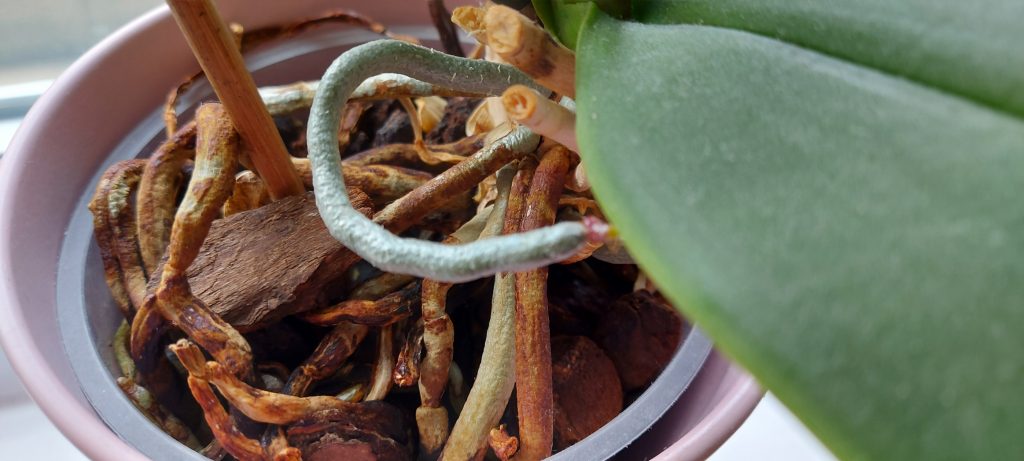
Special spongy layer (velamen) is covering air roots. It is made of dead skin cells. Velamen has the ability to retain moisture for a long time, protecting the plant from drying out.
In amateur cultivation, where plants are usually grow in pots (often retain moisture and roots don’t dry out), root rot occurs. The still moist velamen is a wonderful habitat for pathogenic bacteria and fungi …