
How long do orchids stay dormant ?
The dormant period is very important for orchids. Without it, your plants will not bloom again and, as a consequence, they may even die!
Usually in winter, orchids need time to regenerate. During this period, they strengthen their root system, release leaves and store energy. All this to delight you in the next flowering period. The period of dormancy of Orchids is usually between 8-12 months.
Orchids dormancy is a period when they slow down their life processes (metabolism) – they inhibit growth, limit breathing and nutrient uptake. During this time, they should be cared for differently – incl. you need to limit watering, stop fertilizing and ensure the right temperatures.
The dormant period for orchids
For orchids, the dormant period is governed by slightly different rules. It can be more or less clear and does not have to fall in the winter period (plants often pass it in summer!).
As a general rule, dormant period starts after flowering – right after the last flowers have fallen or shortly thereafter – depending on the species of orchid and the conditions in which the plant is staying.
Orchids without a pronounced dormant period
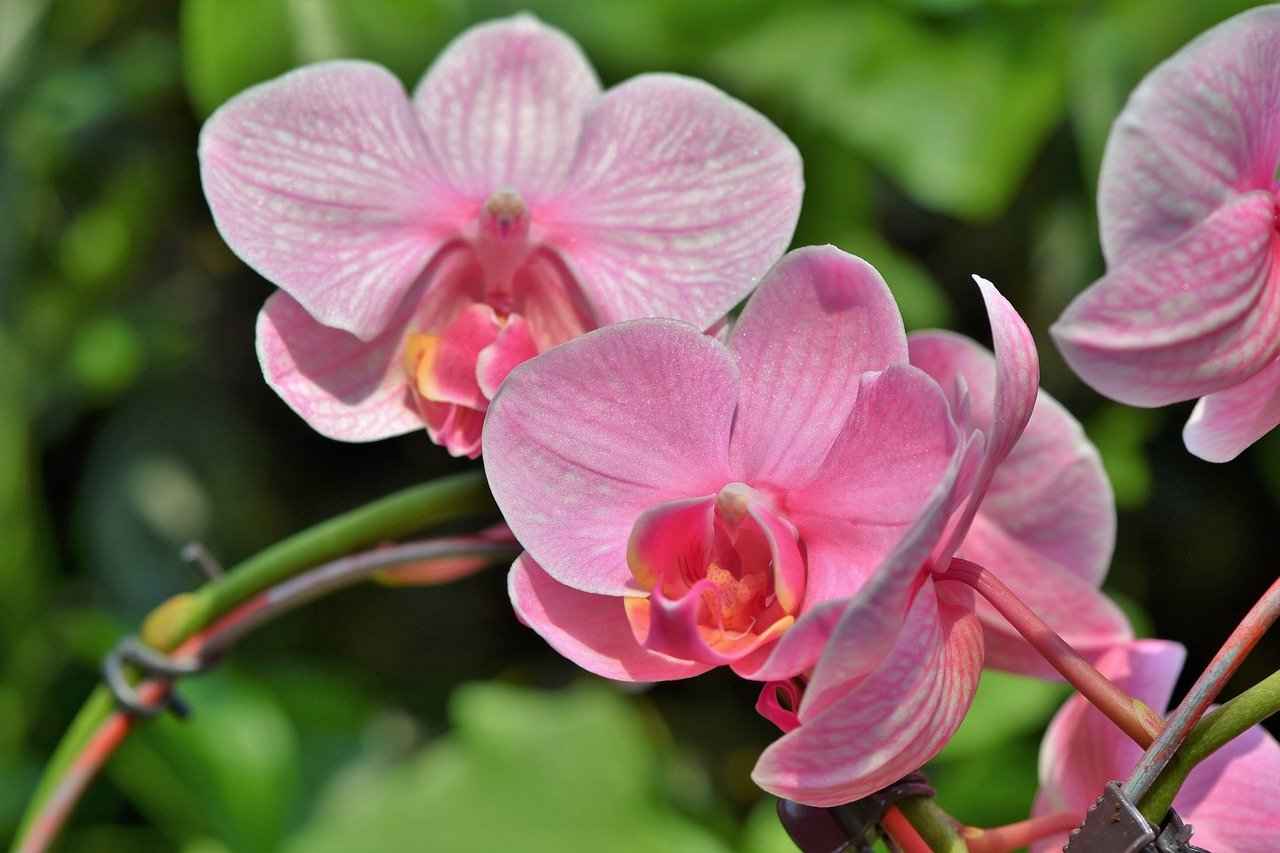
These include the phalaenopsis and cymbidiums that are most commonly grown in homes. Other orchids that belong to this group are the less common ones in home cultivation: Paphiopedilum and Psychopsis, the species Epidendrum radicans or some species of butterflies (Oncidium).
The only change in their life cycle that may indicate that these plants are going through a dormancy period is slower plant growth. Under indoor conditions, such plants are usually treated as non-dormant!
Orchids with a pronounced dormant period
Plants that undergo a dormant period very clearly are, for example, Dendrobium nobile, Coelogyne cristata, Cattleya, Calanthe.
Orchids do not grow then, and their leaves often slightly change their color to less intense. In orchids that produce pseudobulbs, these organs often shrink and wrinkle slightly.
How to deal with orchids when they go into dormancy?
As mentioned earlier, in the case of plants that do not undergo a clear state of dormancy, the situation is very easy – care for them the same way throughout the year, evenly watering and fertilizing.
For orchids with a pronounced dormant state, care is more complex. During their rest, you should take care of:
- Provide the right temperature
These plants need a considerable temperature difference. It is good to put the orchids outside on the terrace or balcony during the summer period (until the end of September) – this way, you will naturally provide the plants with cooler nights. - Provide adequate lighting
Orchids differ from many plants in this respect, because they like to have a lot of light when dormant. Lovers and experienced growers even have to light their plants in a special way to create ideal conditions for resting. - Limit watering
During the dormant period, limit or stop watering the orchids altogether – it depends a lot on the individual plants, so it is important that you know exactly what kind of orchid you have. - Limit fertilization
Discontinue fertilization as the orchids enter a dormant state. Resume fertilization only when the plant produces new growths – young roots, tubers or stems. Fertilizer doses should be lower at the beginning and slowly increased over time.