How and when to prune Hydrangea
Hydrangeas are the most beautiful plants in gardens. They bloom for long time and amaze with variety of flowers.
Properly performed pruning will allow you to fully enjoy the charm of these shrubs. And will have a huge impact on the abundance flowers. See how and when to prune hydrangeas to enjoy their wonderful flowers every year!
Hydrangeas decorate flower beds and entrances to the house. They grow well in a semi-shaded place, free from the wind, with slightly moist soil.
Most ornamental shrubs need pruning annually so that they bloom regularly. Some require only occasional trimming of dead, crossing shoots. While others must be radically cut to produce flowers.
Hydrangea stands out from deciduous shrubs, as the method of pruning hydrangea differs depending on the species of this plant. We will deal with bouquet hydrangeas differently than with garden hydrangeas.
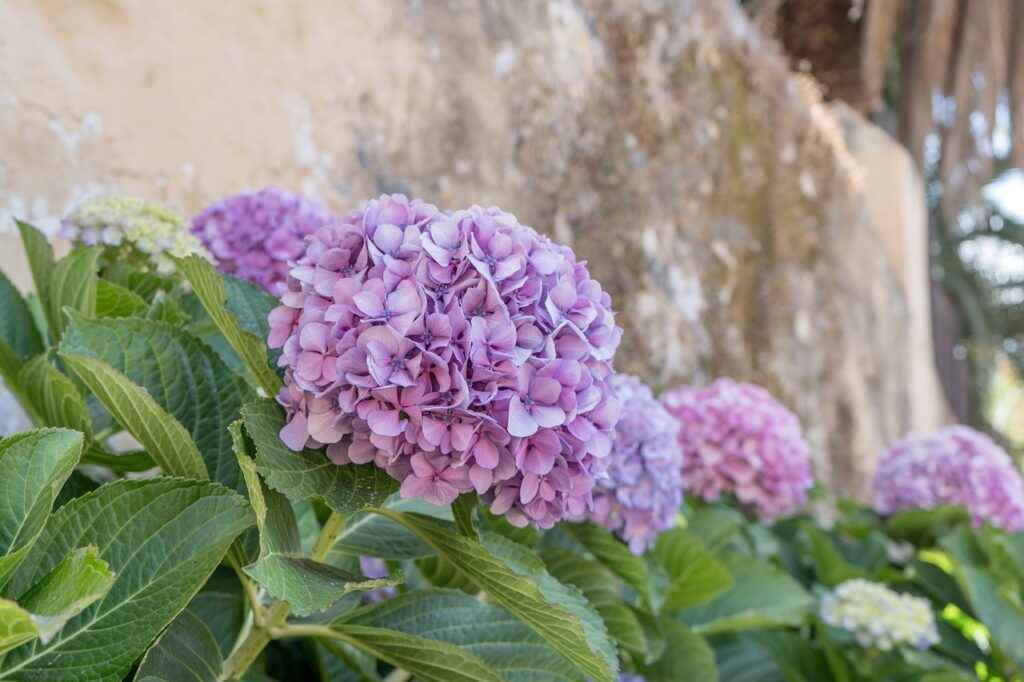
FinjaM / Pixabay
This is mainly due to the fact that they bloom on different shoots: one-year or two-year-old. If you do not prune the bouquet hydrangea, its flowering capacity will decrease year by year.
When to prune Hydrangea?
There are many species of Hydrangea. You can distinquish species such as: garden hydrangea, bouquet hydrangea, shrub hydrangea, climbing hydrangea, hairy hydrangea and oak-leaved hydrangea. As I have mentioned before, they differ in the way of pruning.
You must always prune them in the spring. This time of year is correct for every hydrangea species. However different species utilize different methods and pruning intensity.
Blown flowers of the garden hydrangea are sometimes cut in the fall, but in cooler regions it is better to wait until spring. The inflorescences protect the plant against harsh weather conditions and, moreover, when left on the shrub in winter, they look very impressive.
How to prune Hydrangea ?
The strength and timing of ornamental shrubs pruning depends on their flowering time. The hydrangea is cut a little differently.
Pruning flowering hydrangeas from previous year’s buds
Garden hydrangea, hydrangea serrata and oak-leaved hydrangea bloom on last year’s shoots, which means that at the beginning of the year they already have buds with inflorescences.
At the end of winter or early spring, only cut out their dry inflorescences, just above the first pair of buds. You should perform translucent cutting every 4 years. These hydrangeas belong to the group of plants that do not require annual maintenance pruning.
Pruning of flowering hydrangeas on current year’s shoots
The situation is different for such species as bouquet hydrangea and shrub hydrangea, which attract a large group of gardeners. No wonder they are extremely easy to grow, and if you take good care of them, they will repay you with lush flowers.
These plants bloom on current year’s shoots. In spring, when the shrubs have not developed leaves yet, trim the plants low. Cut the shrub hydrangea to a height of 15-20 cm. The bouquet hydrangea to 2/3 of its length, above the 3 or 4 buds, and cut the weaker shoots in half. Cut out all thin shoots.
Hydrangeas pruned in this way will produce strong shoots with lush flowers from the buds left behind.
After cutting the hydrangea, you can cover the soil around the plant a layer of compost, gently mixed with soil.
It is also worth spreading the shredded manure under the plants, mulching the shrub within the root collar. Then, during the growth, feed the hydrangeas with compound fertilizers for ornamental shrubs.