Is Pothos Plant Toxic to Animals?
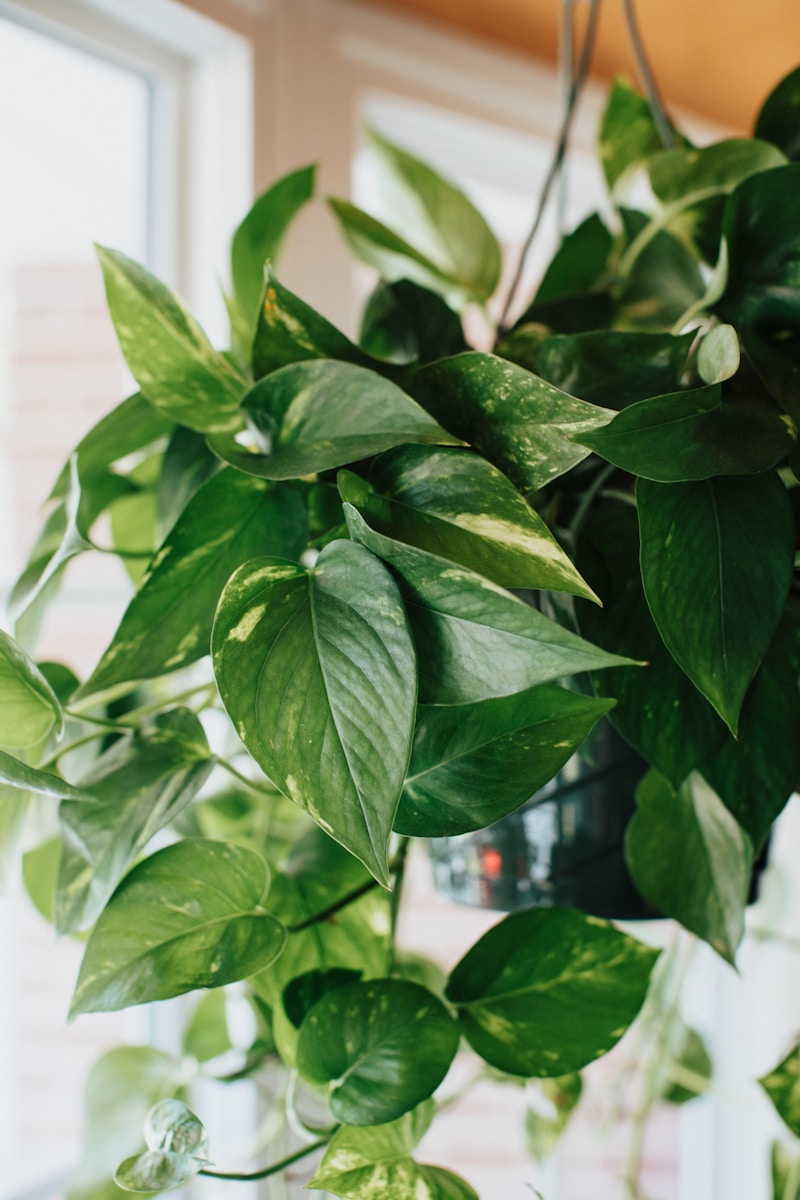
As someone who loves filling my home with beautiful houseplants, I can’t deny that Pothos has always been one of my favorites. Their trailing vines, heart-shaped leaves, and low-maintenance care make them an ideal choice for anyone who wants to add greenery to their living space. But as a lifelong animal lover who shares my home with both cats and dogs, I’ve had to ask myself the tough question that every pet parent eventually faces when building an indoor jungle: Is Pothos plant toxic to animals?
It turns out the answer is yes, and learning that was a real wake-up call for me. In this article, I want to share my own journey of discovering the risks Pothos pose to pets, why these plants are toxic, what symptoms to look out for, and how I ultimately found a way to keep both my plants and my furry friends happy and safe. If you’re a pet parent who loves your plants as much as your animals, I hope my story and research can help you navigate this tricky balance.
Falling in Love with Pothos (and Forgetting About the Pets)
When I first got into houseplants, I wasn’t thinking much about pet safety. I was too distracted by all the trendy greenery popping up on social media and Pinterest boards. I wanted trailing vines over bookshelves and bright green leaves climbing across my walls. Enter the Pothos plant.
Pothos are a dream for beginner plant parents. They thrive in almost any light condition, can tolerate missed waterings, and grow like crazy when they’re happy. Before I knew it, I had several different varieties — golden pothos, marble queen, and neon pothos — scattered around my living room and bedroom.
It wasn’t until I noticed my cat, Luna, batting at the hanging vines that I started wondering whether these plants were truly safe to have around my pets. A little Googling, and I immediately felt my stomach drop. Pothos are toxic to animals.
What Makes Pothos Toxic to Animals?
After doing some research, I learned that Pothos plants (scientific name Epipremnum aureum) contain something called insoluble calcium oxalate crystals. These are sharp, microscopic crystals that act almost like tiny needles. If a pet chews on the leaves or stems, these crystals are released, embedding themselves into the soft tissues of the mouth, throat, and stomach lining.
The result? Pain, irritation, and sometimes more serious complications, depending on how much was ingested and how sensitive the animal is.
As a pet owner, I found this both fascinating and horrifying. I had no idea that something so beautiful could secretly be so harmful to my animals. Suddenly, I realized that my home wasn’t just a sanctuary of plants — it could also be a dangerous place for the creatures I loved most.
Symptoms of Pothos Poisoning in Pets
One of the scariest parts of plant toxicity is that animals are naturally curious, and symptoms can appear quickly after exposure. After reading more about Pothos toxicity, I learned that the most common symptoms of ingestion in cats and dogs include:
- Drooling or excessive salivation
- Pawing at the mouth or face
- Difficulty swallowing
- Vomiting
- Decreased appetite
- Oral pain or swelling
- Hoarse meowing or barking (from throat irritation)
- Lethargy
In severe cases — especially if a large amount of the plant is consumed — the swelling could become serious enough to cause breathing difficulties, although this is rare.
Luckily, I realized Luna hadn’t actually eaten the plant — just played with the vines — but that realization set me on a mission. I needed to find a better way to protect my pets while keeping my beloved plants.
When Curiosity Becomes Dangerous: Real-Life Stories
Through online forums and pet groups, I found that I wasn’t alone. Many pet owners have had close calls with Pothos plants. Some even shared scary stories of emergency vet visits.
One woman described finding her dog drooling uncontrollably and vomiting after chewing on a Pothos vine left on a coffee table. After rushing to the vet, the dog was treated with fluids and medication to ease the pain, but the incident left her shaken. Another cat owner shared how her kitten’s face swelled up after nibbling on a fallen Pothos leaf. It wasn’t life-threatening, but it took days for the poor cat to feel normal again.
Reading these stories reinforced how real the danger is. I felt lucky I hadn’t experienced it firsthand, but I wasn’t willing to risk it.
What To Do If Your Pet Eats Pothos
If you suspect your pet has chewed or eaten any part of a Pothos plant, the most important thing is to act quickly.
Here’s what I keep on hand as a general action plan, based on advice from veterinarians:
- Remove access to the plant immediately. Take away any leaves or stems they may have been chewing.
- Rinse their mouth with water if they’ll let you, to help wash out any remaining crystals.
- Call your veterinarian or an emergency animal poison control hotline. They can guide you based on your pet’s size, symptoms, and how much of the plant they may have ingested.
- Monitor your pet closely for the next 24–48 hours, even if symptoms seem mild at first.
Fortunately, most cases of Pothos ingestion are not fatal, but that doesn’t mean they’re harmless. Pets can experience severe discomfort and require veterinary treatment to ease the pain and prevent dehydration.
How I Made My Home Safer Without Giving Up Plants
After my wake-up call, I debated getting rid of all my Pothos. But as any plant lover knows, it’s hard to part with something you’ve cared for and watched grow. So instead, I made a few key changes to make sure my plants and pets could coexist:
- I moved all Pothos to high shelves and hanging planters completely out of reach. I double-checked that my cat couldn’t climb to them, and my dog couldn’t knock them down.
- I started keeping my trailing vines trimmed shorter so they didn’t dangle down like tempting toys.
- I invested in pet-safe plants to place at lower levels where my pets roam, like spider plants, calatheas, and prayer plants.
- I trained Luna with gentle redirection when she showed interest in any plant, and I provided her with alternatives, like cat grass and chew-friendly toys.
In the end, I found a balance. I still get to enjoy the lush, green vibe of my Pothos plants, and my pets stay safe and healthy. But it requires mindfulness and constant awareness, which I’ve now accepted as part of the responsibility of sharing my home with animals.
Final Thoughts: Knowledge Is Power
If you had asked me when I first started collecting plants if I thought something as simple as a leafy vine could harm my pets, I would’ve said no way. But now I know better. Pothos are toxic to animals, and while they might not always cause life-threatening reactions, the discomfort they can bring to our furry friends is not worth the risk of ignorance.
For any pet owners out there who love their plants as much as I do, my advice is this: Do your research. Learn which plants are safe and which are toxic. Take steps to pet-proof your greenery, and always err on the side of caution if you think your pet has chewed on something they shouldn’t have.
For me, the goal is a home that feels like a jungle — but one where my animals can safely roam. With a bit of effort, it’s absolutely possible.