What kills lavender plants ?
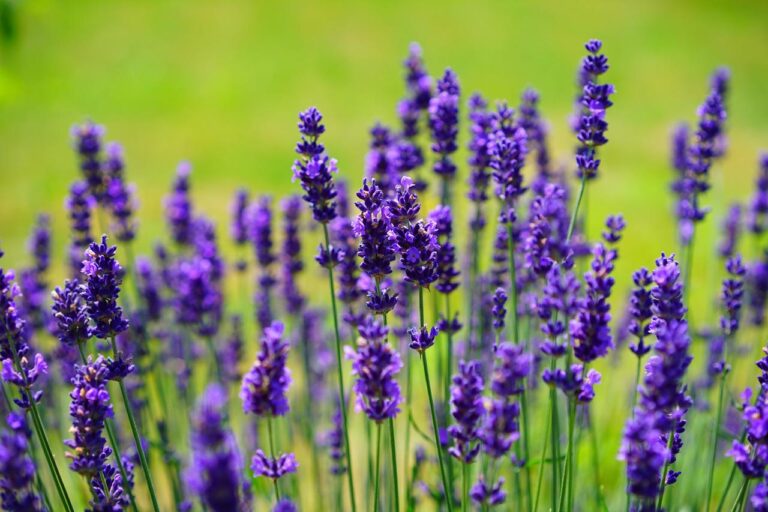
Several factors can potentially lead to the death of lavender plants. Let’s explore what kills lavender plants in more detail:
- Overwatering: Lavender plants are adapted to dry conditions and prefer well-drained soil. Overwatering can drown the roots, leading to root rot. When the roots cannot access oxygen due to excessive moisture, they can’t function properly, and the plant may wither and die. Symptoms of overwatering include yellowing leaves, wilting, and a foul smell from the soil.
- Poor drainage: Lavender plants require soil with good drainage to prevent waterlogging. If the soil does not drain well, excess water accumulates around the roots, causing them to become waterlogged. Prolonged exposure to saturated soil can lead to root rot and eventually kill the plant. Signs of poor drainage include water pooling on the soil surface or plants that consistently appear wilted, even when adequately watered.
- Frost or freezing temperatures: Although lavender is a hardy plant, prolonged exposure to freezing temperatures can damage or kill it. Lavender plants can withstand some frost, but if temperatures drop too low or remain freezing for an extended period, the plant may suffer from frost damage. This can cause the leaves and stems to turn brown or black, leading to plant death.
- Disease and pests: Lavender plants can be susceptible to various diseases and pests. Common diseases include root rot caused by fungi, such as Phytophthora or Rhizoctonia, and foliar diseases like powdery mildew or gray mold. These diseases can weaken the plants and eventually kill them if left untreated. Additionally, pests like aphids, spider mites, or lavender leafhoppers can infest the plants, sucking sap and causing damage. Severe infestations can weaken or kill the plants over time.
- Improper pruning: Pruning is essential for maintaining the health and shape of lavender plants. However, improper pruning techniques or timing can harm the plant. Pruning too harshly or cutting into old wood can cause stress and damage to the plant. It’s important to prune lavender correctly, typically in early spring before new growth starts, and avoid cutting into the woody stems.
- Lack of sunlight: Lavender plants require full sun exposure to thrive. If they are grown in shaded areas or do not receive sufficient sunlight, their growth may be stunted, and they can become weak and prone to diseases. Without adequate sunlight, the plant’s ability to photosynthesize and produce energy is diminished, leading to poor growth and eventual death.
- Soil pH imbalance: Lavender prefers slightly alkaline soil with a pH between 6.5 and 7.5. If the soil becomes too acidic (low pH) or too alkaline (high pH), it can affect the plant’s ability to absorb essential nutrients. Soil pH imbalances can lead to nutrient deficiencies, chlorosis (yellowing of leaves), and overall poor plant health, potentially causing the plant to die.
To ensure the survival of lavender plants, it is crucial to provide them with well-drained soil, ample sunlight, and proper watering practices. Monitoring for pests and diseases, using appropriate pruning techniques, and maintaining the optimal soil pH can also contribute to the plant’s health and longevity.