How Hydrangeas are built ?
Hydrangeas are fascinating flowering plants that captivate us with their beautiful blooms and lush foliage. The structure and development of hydrangeas are a result of intricate biological processes that ensure their growth and reproduction. In this article you will learn How Hydrangeas are built ?
Hydrangeas belong to the Hydrangeaceae family, which includes about 75 species of flowering plants. They are predominantly shrubs, although some species can be climbers or small trees. The structure of hydrangeas comprises roots, stems, leaves, flowers, and reproductive organs.
How Hydrangeas are built ? – Roots
Let’s start with the roots. Hydrangea roots serve several crucial functions, including water and nutrient absorption from the soil. These roots extend deep into the ground, providing stability and support for the plant. They also store carbohydrates produced during photosynthesis, which can be used during periods of low energy availability.
How Hydrangeas are built ? – Stem
Moving up from the roots, we come to the stems. Hydrangea stems are woody and provide structural support to the plant. They transport water, nutrients, and sugars between different parts of the plant. Stems also play a role in anchoring the leaves and flowers, ensuring they receive adequate sunlight for photosynthesis.
How Hydrangeas are built ? – Leaves
Next, we have the leaves. Hydrangea leaves are typically large, broad, and have a serrated edge. They are arranged opposite each other along the stems. Leaves are responsible for photosynthesis, the process by which plants convert sunlight into energy.
They contain chlorophyll, a pigment that captures light energy, allowing the plant to produce sugars and oxygen. The leaves also regulate water loss through tiny openings called stomata, which can open and close to control the exchange of gases and water vapor.
How Hydrangeas are built ? – Flowers
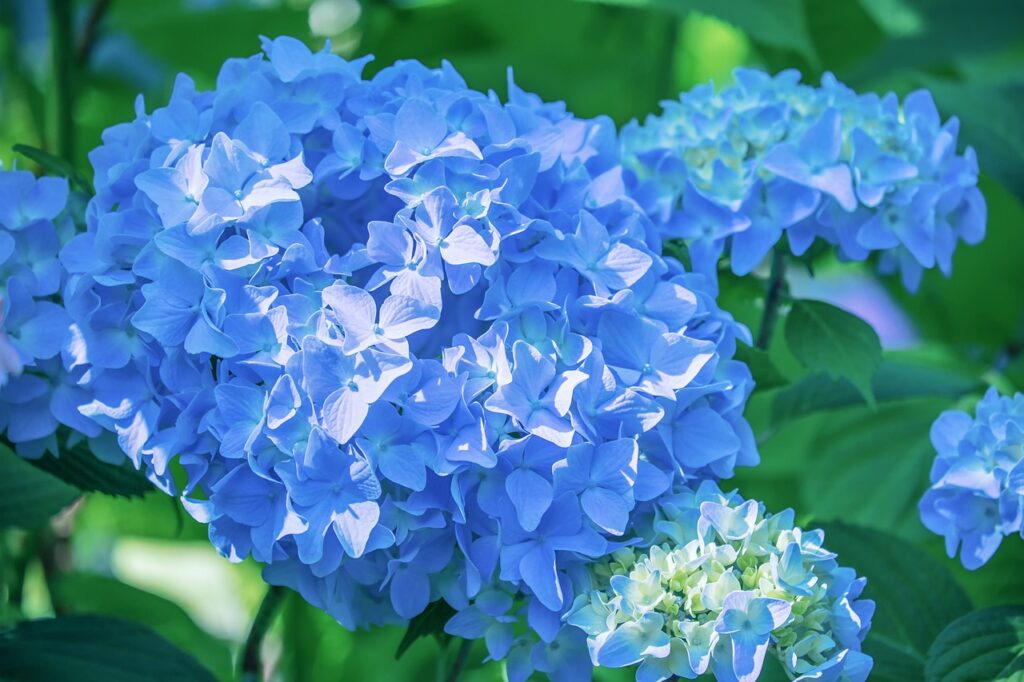
Now, let’s delve into the fascinating world of hydrangea flowers. The hydrangea flower head is a complex structure composed of two main types of flowers: sterile and fertile flowers.
Sterile flowers, often larger and showier, have no functional reproductive organs but serve to attract pollinators with their vibrant colors and fragrance. Fertile flowers, on the other hand, contain the reproductive organs necessary for reproduction.
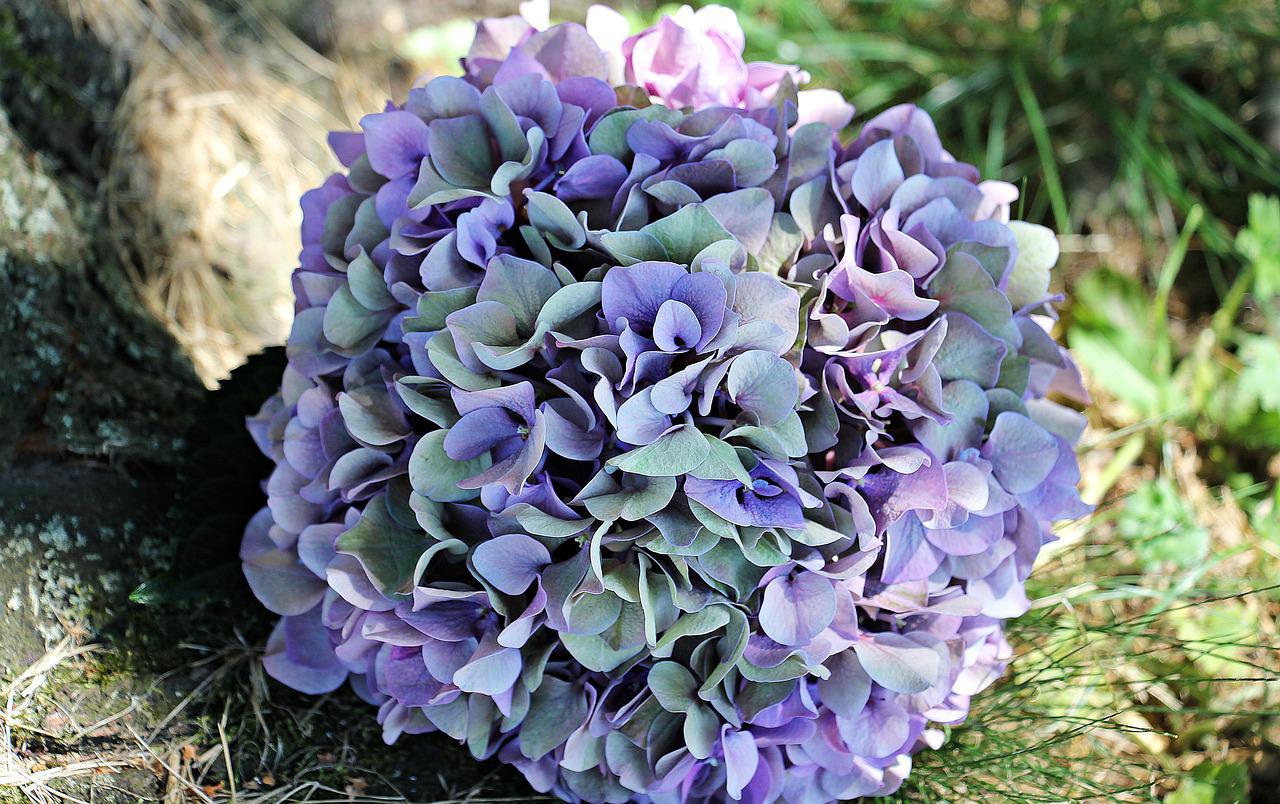
The color of hydrangea flowers can vary depending on the pH of the soil. In acidic soil conditions, the flowers tend to be blue or purple, while in alkaline soil conditions, they appear pink or red. This color variation is due to the presence of pigments called anthocyanins, whose abundance is influenced by soil pH.
Reproductive organs in hydrangeas include stamens and pistils. Stamens produce pollen, which contains the male gametes (sperm cells). Pistils, on the other hand, contain the female reproductive structures, including the stigma, style, and ovary. The stigma is the receptive surface for pollen, and the style connects it to the ovary, where the seeds will develop if fertilization occurs.
Hydrangeas have a unique reproductive strategy. They can reproduce sexually through pollination, but they can also propagate asexually through vegetative means, such as stem cuttings or layering. In sexual reproduction, pollinators, such as bees or butterflies, transfer pollen from the stamens of one flower to the stigma of another. This fertilization process leads to the production of seeds within the ovary.
Once the flowers have been pollinated and fertilized, they begin to develop into fruit. In hydrangeas, the fruit is a dry capsule that contains the seeds. When the capsule matures and dries, it splits open, dispersing the seeds to nearby locations. These seeds can then germinate and grow into new hydrangea plants under favorable conditions.
How Hydrangeas are built ? – Species
Hydrangeas exhibit different growth patterns depending on the species. Some species grow in a shrubby form, while others can climb or take the shape of small trees. Pruning plays a crucial role in shaping and controlling the growth of hydrangeas, helping maintain their desired form and encouraging optimal flowering.
In conclusion, hydrangeas are built through a combination of intricate biological processes that result in their unique anatomy and growth patterns. From the roots that anchor them in the soil to the flowers that attract pollinators and the reproductive organs that ensure their survival.
Each part of the hydrangea contributes to its overall structure and function. Understanding the construction of hydrangeas enhances our appreciation for these enchanting plants and enables us to cultivate and care for them more effectively.