Tomato Nettle Fertilizer: Recipe, Preparation, and Application
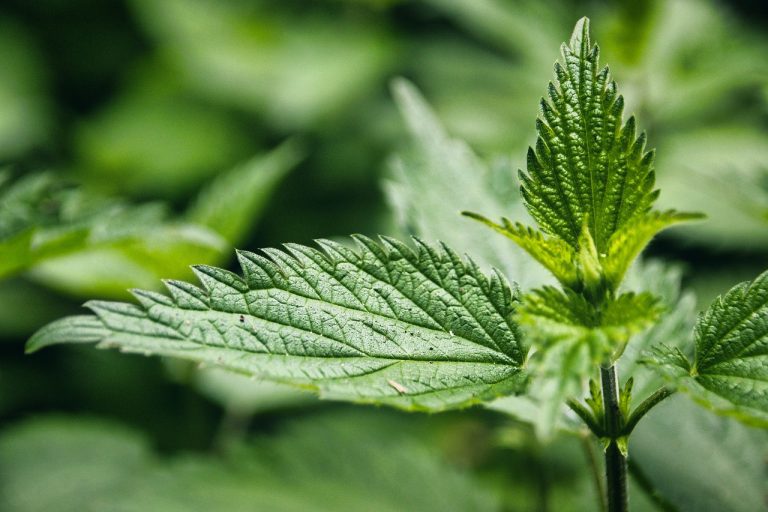
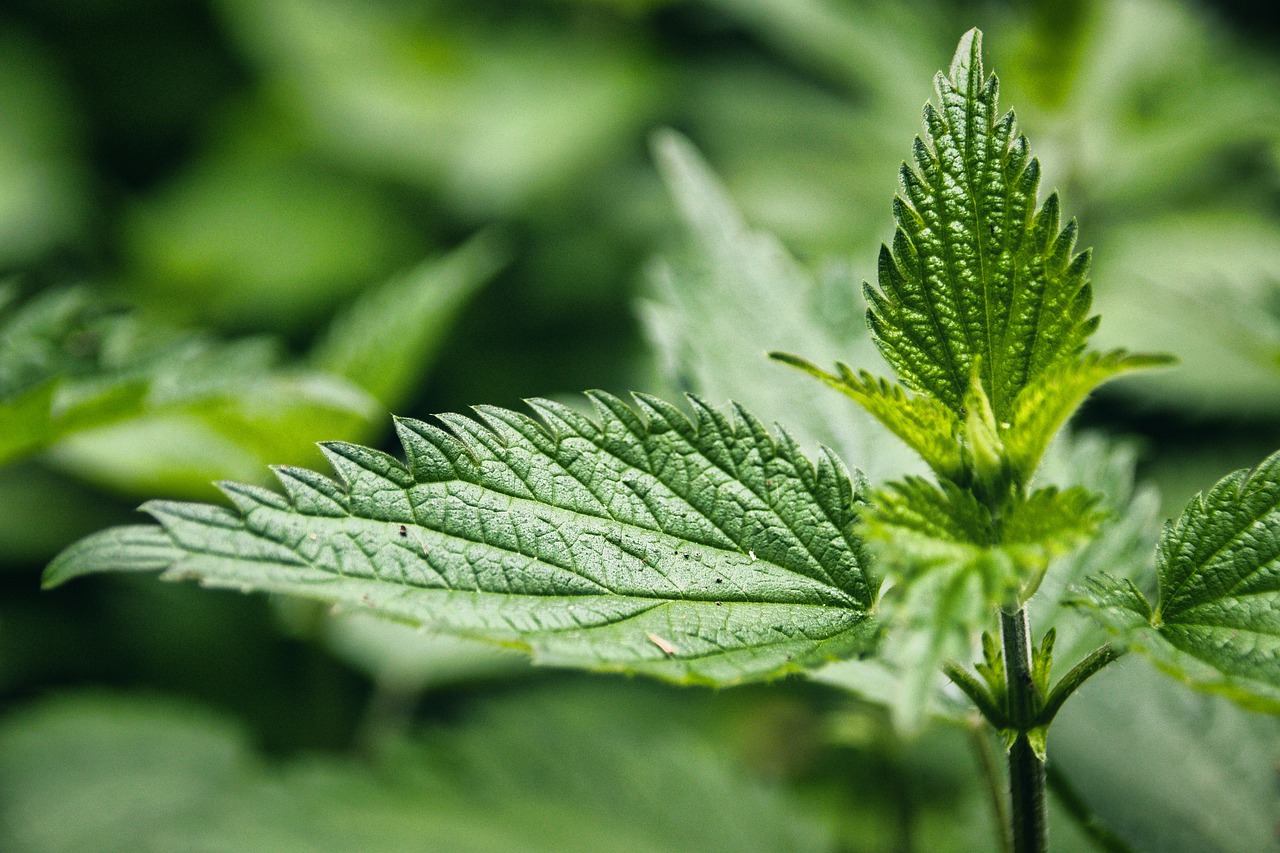
Tomato nettle fertilizer is a natural and cost-effective solution for enhancing the growth and productivity of tomato plants. This organic fertilizer is derived from nettles, a common weed found in many regions.
Nettle plants are rich in essential nutrients, including nitrogen, potassium, and iron, making them an excellent source of plant nutrition. In this article, we will explore the process of making tomato nettle fertilizer, its benefits, and how to effectively utilize it to promote robust tomato growth and improve overall plant health.
The Recipe for Tomato Nettle Fertilizer
To create tomato nettle fertilizer, you will need following:
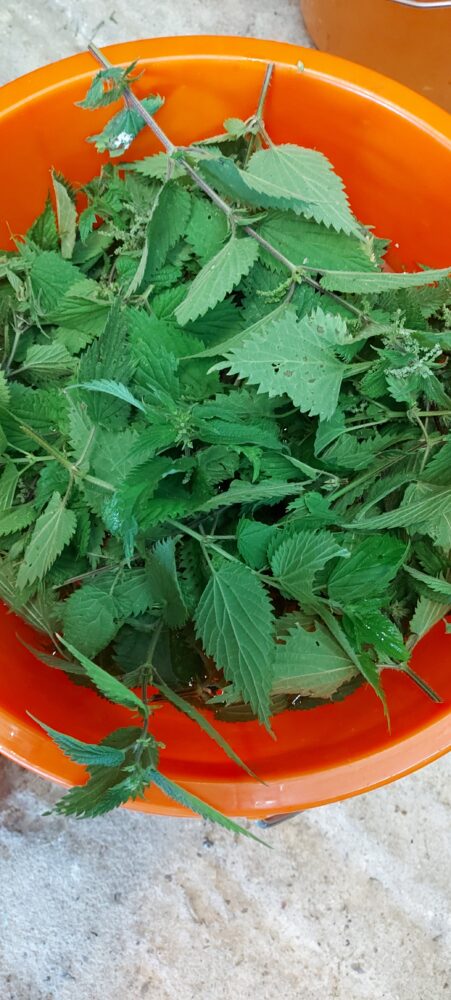
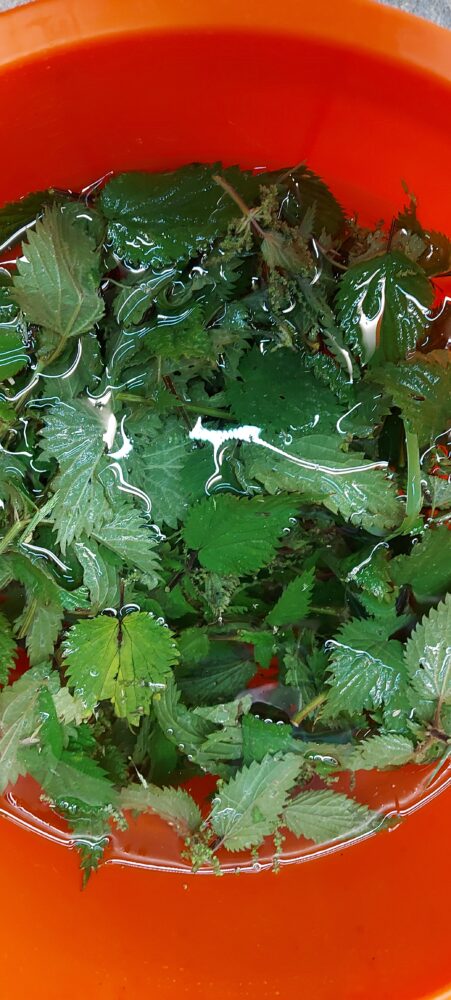
- Fresh nettle plants: Harvest approximately one kilogram of fresh nettle plants, preferably when they are in their vegetative growth stage (not blooming).
- Container: A large container such as a bucket or a bin to hold the nettle plants during fermentation.
- Water: Sufficient water to submerge the nettle plants completely.
- Additional ingredients (optional): You may choose to add other organic materials such as crushed eggshells or compost to further enrich the fertilizer’s nutrient content.
Instructions:
- Chop the nettle plants into smaller pieces to facilitate the fermentation process.
- Place the chopped nettle plants into the container and add water to completely cover the plant material.
- If desired, add any optional ingredients to the mixture.
- Cover the container with a breathable cloth or loosely fitting lid to allow air circulation and prevent pests.
- Store the container in a warm, sheltered location away from direct sunlight.
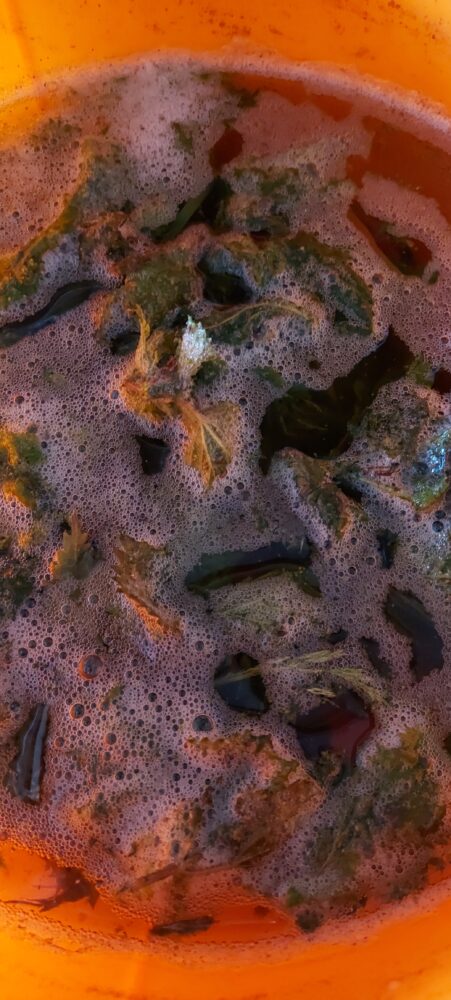
- Stir the mixture every few days to promote proper fermentation and prevent foul odors.
- Allow the mixture to ferment for approximately 2-3 weeks until it turns dark brown and has a pleasant earthy smell.
- Once fermentation is complete, strain the liquid through a mesh or cheesecloth to remove any solid remnants.
- Your tomato nettle fertilizer is now ready for use.
Utilizing Tomato Nettle Fertilizer
- Seedlings and Transplants:
- Dilute the nettle fertilizer by mixing 1 part fertilizer with 10 parts water.
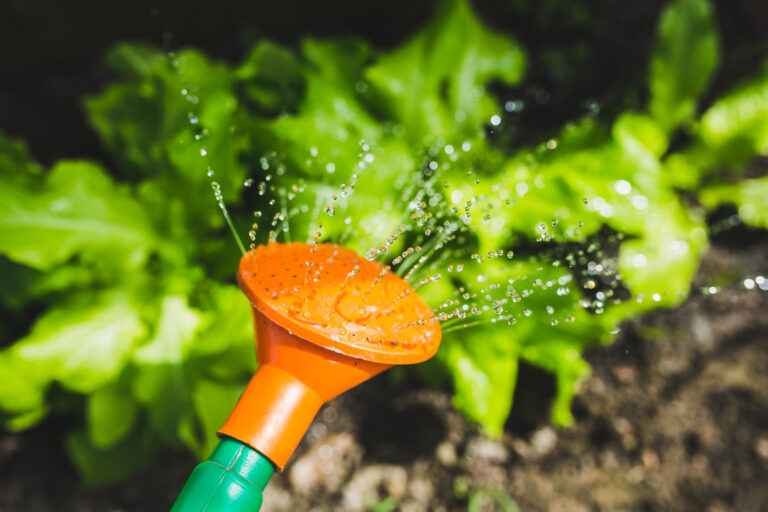
- Water the seedlings or transplants with the diluted fertilizer solution once every two weeks, ensuring thorough saturation of the soil.
- Established Tomato Plants:
- Dilute the fertilizer by mixing 1 part fertilizer with 20 parts water.
- Apply the diluted fertilizer solution directly to the soil around the base of the tomato plants.
- Water the plants immediately after application to help the nutrients penetrate the root zone effectively.
- Repeat the application every 4-6 weeks during the growing season.
- Foliar Spray:
- Dilute the nettle fertilizer by mixing 1 part fertilizer with 30 parts water.
- Transfer the diluted mixture into a spray bottle.
- Spray the foliage of the tomato plants, ensuring complete coverage of both sides of the leaves.
- Perform foliar applications early in the morning or late in the evening to avoid leaf burn caused by intense sunlight.
- Repeat the foliar spray every 2-3 weeks during the growing season.
Benefits of Tomato Nettle Fertilizer
- Organic and Sustainable: Tomato nettle fertilizer is an eco-friendly alternative to synthetic fertilizers, reducing environmental impact while maintaining soil health.
- Nutrient-Rich: Nettle plants are naturally high in essential nutrients like nitrogen, potassium, iron, and trace elements, promoting robust plant growth and enhancing tomato flavor.
- Improved Soil Structure: Regular application of nettle fertilizer enriches the soil, enhancing its fertility, water-holding capacity, and nutrient retention.
- Disease Resistance: The natural compounds present in nettle plants can help strengthen the immune system of tomato plants, making them more resistant to diseases and pests.
- Cost-Effective: By utilizing nettles, a readily available and often considered a weed, tomato nettle fertilizer offers a low-cost alternative to commercial fertilizers.
Conclusion:
Tomato nettle fertilizer provides an excellent option for gardeners seeking a natural and sustainable approach to enhance the growth and productivity of their tomato plants. By following the simple recipe and application guidelines provided in this article, you can create a nutrient-rich fertilizer using nettles and witness improved plant health, increased yields, and robust tomato flavor.
Embracing this organic fertilizer not only benefits your garden but also contributes to the preservation of the environment and encourages a more sustainable gardening practice.