How to make hydrangea seedlings ?
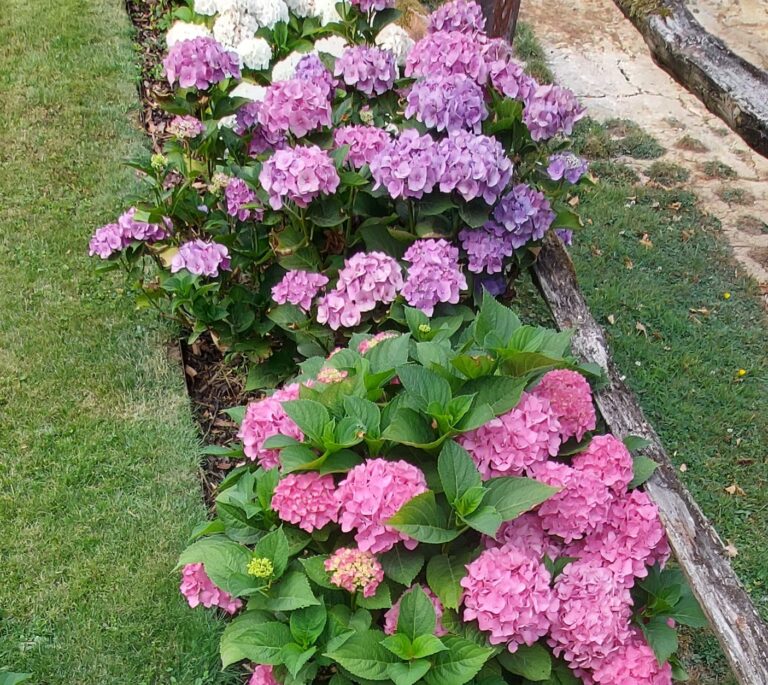
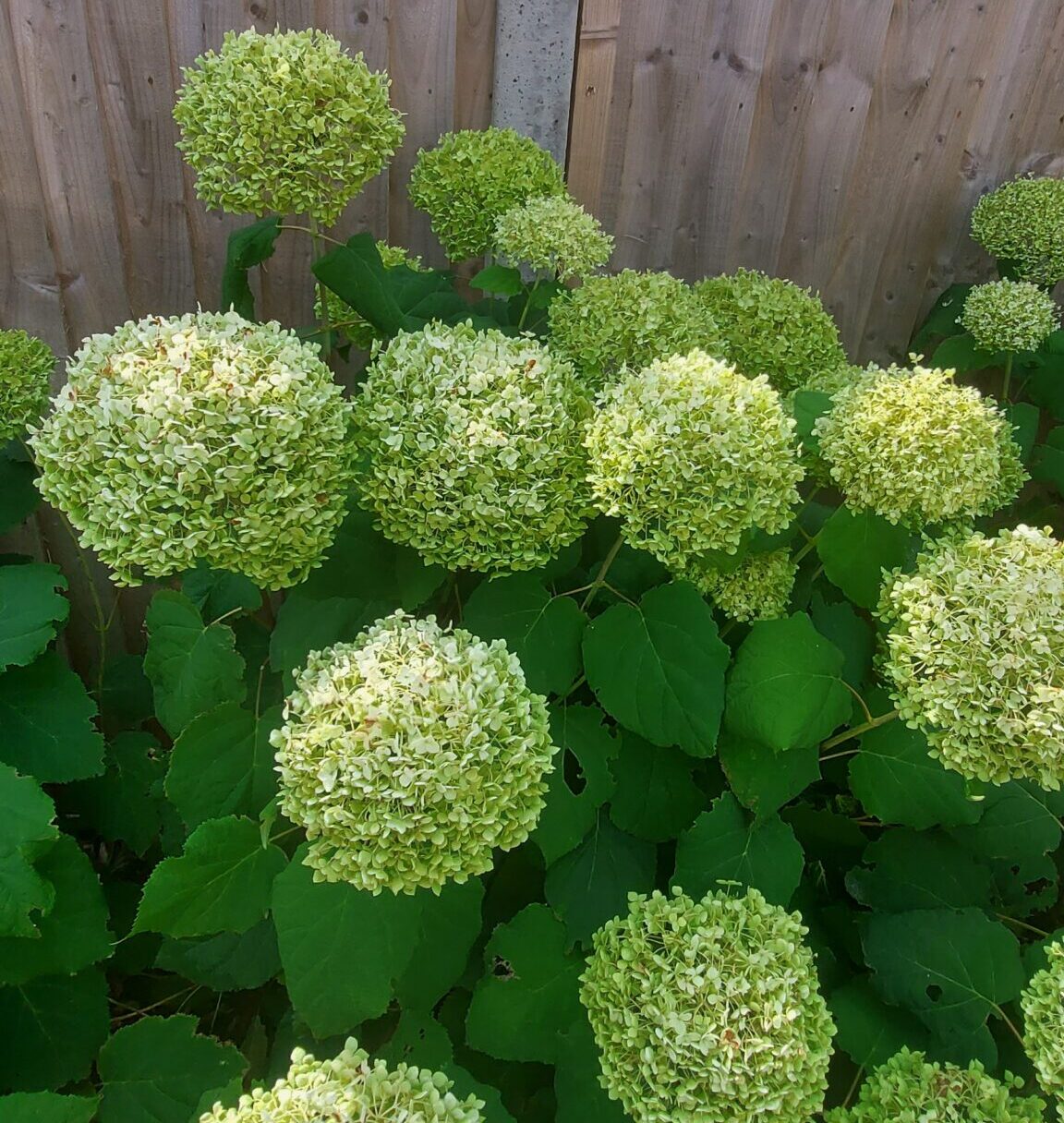
Garden hydrangeas are one of the most popular ornamental shrubs. Their sumptuous, large flowers adorn the shaded corners of gardens and terraces. It is good to know how to make hydrangea seedlings to enlarge the collection of these shrubs yourself.
Most often, the garden hydrangea is propagated by herbaceous (non-woody) cuttings. Another way to reproduce garden hydrangea is to sow seeds. However, from a practical point of view, propagation from cuttings is simpler, brings results faster and is more often successful in amateur cultivation conditions. So it is this method of reproduction of hydrangeas that we will focus on.
When to collect garden hydrangea seedlings?
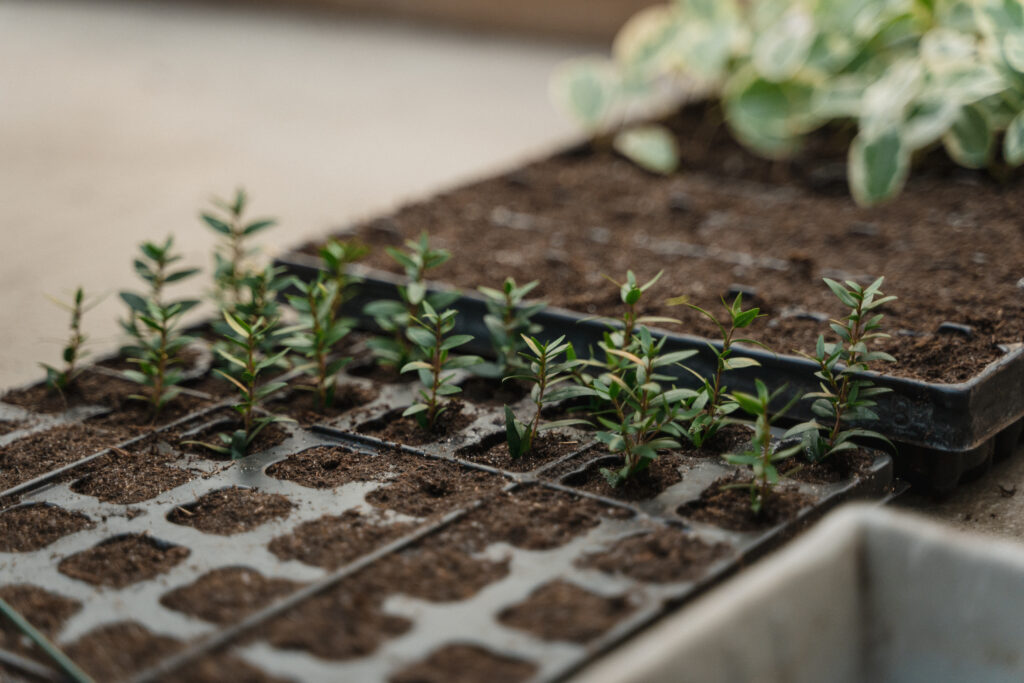
Collect herbaceous cuttings from the garden hydrangea from June to August and plant them in frame boxes. They will quickly take root. The seedlings must remain in the frames all year round and may only be planted in the garden bed the next spring. The herbaceous cuttings of hydrangeas root quickly, but usually grow slowly and rarely reach a height of more than 30 cm in the first year.
How to make Hydrangea seedlings ?
How to pick up garden hydrangea seedlings?
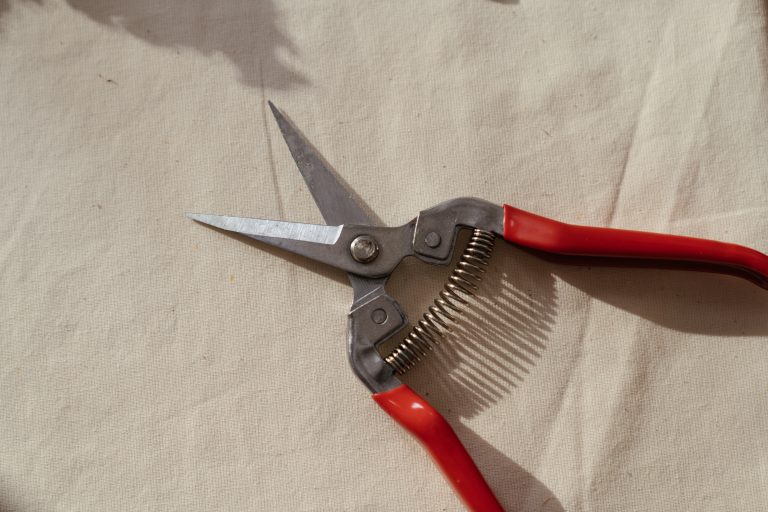
The cuttings of garden hydrangea are cut from the soft, still growing shoots under the second pair of leaves. They should be about 15 cm long. The lower pair of leaves should be removed and the upper one shortened to half.
How to plant garden hydrangea seedlings?
Plant garden hydrangea seedlings in frame boxes filled with a mixture of peat, sand and heather earth in the ratio (1: 1: 1), and then store them in the room at 24 °C. After placing the seedling in the substrate, water the plants lightly.
How to care for garden hydrangea seedlings?
Garden hydrangea seedlings are sensitive to too high salt concentration in the substrate, therefore you must use very soft water (decant, preferably rainwater) to water them. The seedlings must not wilt. But excessive watering causes them to rot, so regularly observe the seedlings and adjust the doses of water to the needs of the plants.
Rooted hydrangea cuttings should overwinter in a frost-free place. After the leaves fall, cover them with dry peat up to the tops.
In the spring of the following year, hydrangea seedlings need to be hardened. This means getting used to cooler temperatures and stronger sunlight.
For this purpose, you can put the plants outside during the day. Over time, they should also be left overnight. After about 10 days of hardening, you can plant new hydrangeas in the garden.