Frost resistant cactus
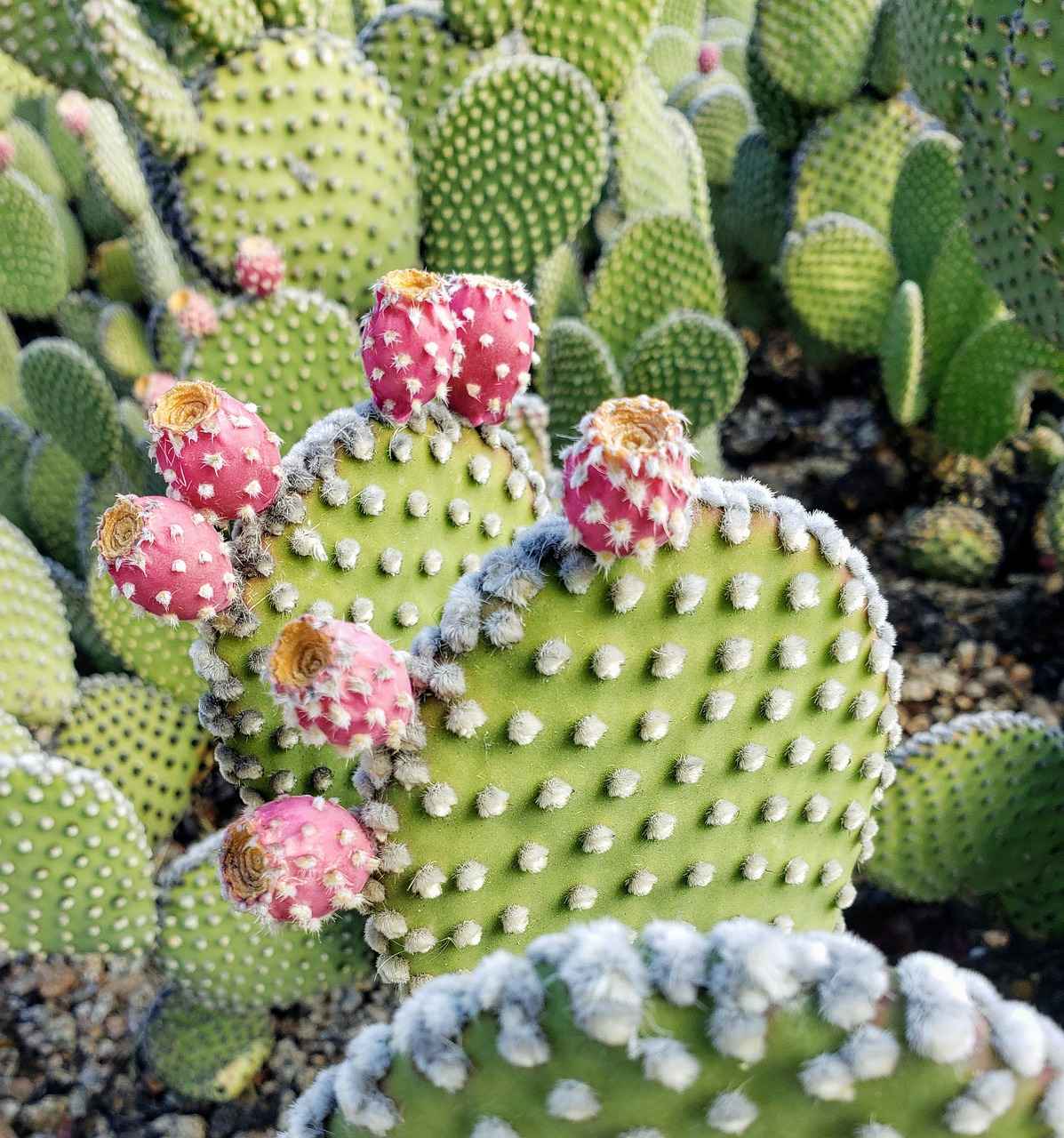
Frost resistant cactus is an interesting proposition for people who want to create an unusual, exotic corner in their garden or are looking for plants for barren soil, resistant to sun and drought.
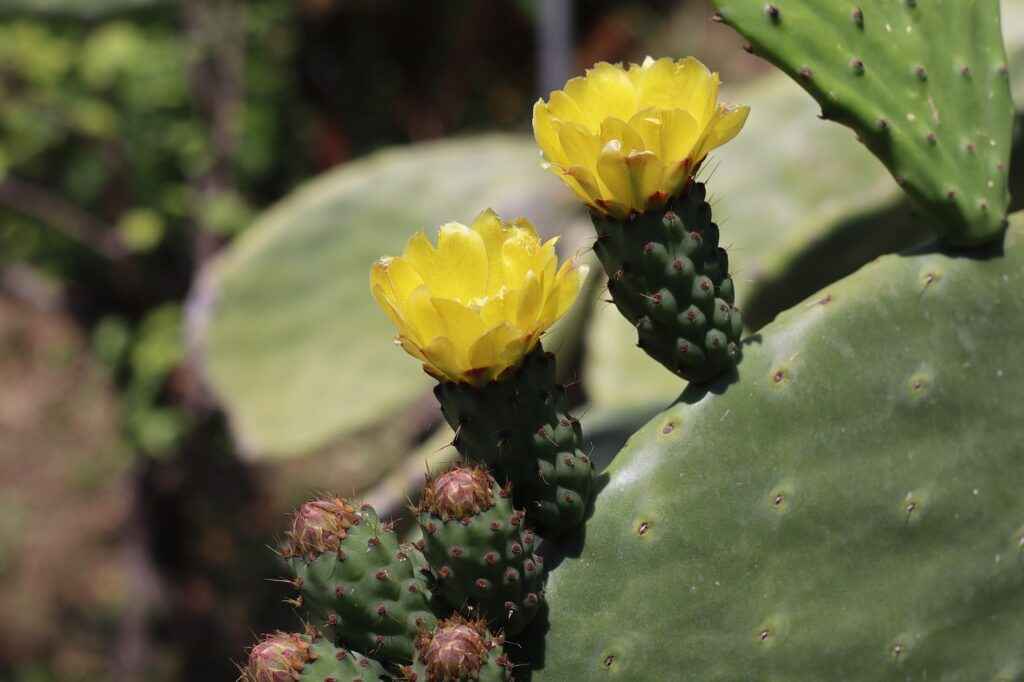
Species of alpine cacti from Bolivia and Peru are perfect for growing in cold climate. The most famous of them are the Opuntia family followed by Echinocereus, Ferocactus, Echinopsis, and Mammillaria.
Frost-resistant cacti – place to grow
Frost-resistant cactus require a sunny, dry and nutrient-poor position in the garden. You must drain substrate very well. To ensure adequate drainage of excess water, a raised bed covered with stones or supported by a retaining wall will work well. To achieve that place stones at the bottom of the bed – usually thickness of 40 – 50cm would do the job.
Fill bed with a permeable substrate. It can be soil mix with coarse sand or even rocky gravel. The ideal composition of such a mixture is as follows:
- 40% – coarse gravel
- 20% – washed gravel
- 20% – garden soil
- 20% – clay
After planting the cacti, it is advisable to mulch the soil. Cover the substrate around the cacti with a thick layer of rock grit or washed gravel.
That prepared stand, you should light water cacti only during the growth and setting of flower buds (from late spring to early summer).
Frost-resistant cacti – wintering in the garden
Successful garden cultivation of frost-resistant cacti largely depends on their proper overwintering. In autumn, cacti must be dried to the point that their shoots are slightly wilted. This will prepare them to go into a state of rest, in which they will survive minus temperatures.
To do this, cut off the access of rainwater to the areas where garden cacti grow. You can achieve this by spreading a foil canopy over the cacti. It’s best to tap two boards together at right angles and stick them into the ground on the side of the cactus bed.
On the opposite side of the rebate, hammer in another boards, which will constitute the opposite support of the roof. Then stretch the foil between the supports. Under such a roof, cacti perfectly winter.
Instead of foil, you can also put glass. It is important that the roof is transparent and the sun rays reach the cacti. Remove the roofs in the spring and water the cacti to wake them up.
Additionally, cover young cactus plants with pine branches in the first year of cultivation. In the following years, canopies alone protect against rainfall.
What plants to grow with cactus
Frost-resistant cacti are perfect plants for rockeries and gravel beds. They can also be a great idea for greening particularly dry places where other plants cannot cope. For cultivation with cacti, first of all, plants resistant to drought should be selected.
You can choose from various species of plants with leathery, scaly or thorny leaves, often aromatic. Such plants include, among others. bushy herbs: sage, lavender and rosemary. Such a bed should also include tufts of low ground cover grasses, e.g. blue fescue. The exotic nature of the cultivation will be emphasized even more by the thread yucca. On the other hand, mountain pine may grow in the background.