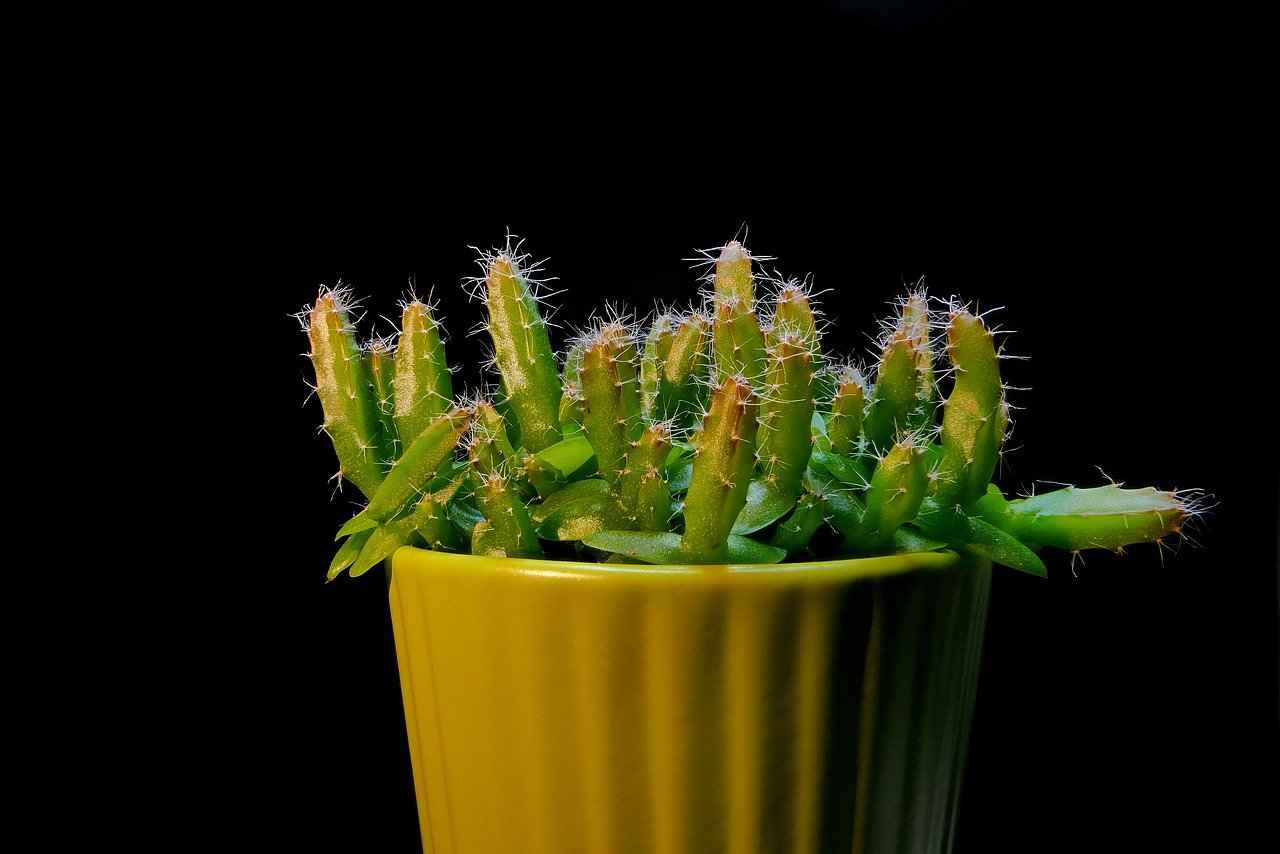
Why cactus wither, wrinkle and rot ?
Cacti that are not properly cared for can become ill. When a cactus wither, wilt, rot or discolor, it is a sign that there is something wrong. Most common causes of cactus disease are dehydration, sun burns, lack of sunlight, bacterial disease and fungi.
Physiological diseases of cacti
- Dehydration
During the growing season, cacti need a lot of water for proper development. Too rare or too little watering of cacti stops their growth and causes them to go dormant. If conditions do not improve for a long time, the plants begin to use up the water stored in the stems.
As a result, the cacti begin to wrinkle and wilt. Abundant watering of the cacti at this point may not help, because the substrate in the pot becomes parched for a long time and stops absorbing water. Then the plants need to be transplanted into fresh substrate.
To avoid dehydration of cacti, we must try to water them during the growing season at least once every 3 weeks. This must be done in such a way that the water penetrates deep into the ground, all the way to the bottom of the pot. It is best to put pots with cacti in a bowl of water and let the entire substrate in the pots be soaked with moisture.
- Burns
The rapid increase in temperature, strong sunlight and the lack of proper ventilation lead to thermal infestation of plants. This causes the cactus skins to turn red and, over time, burns. Burns show up as hollow white spots on cacti that can remain on plants for several years.
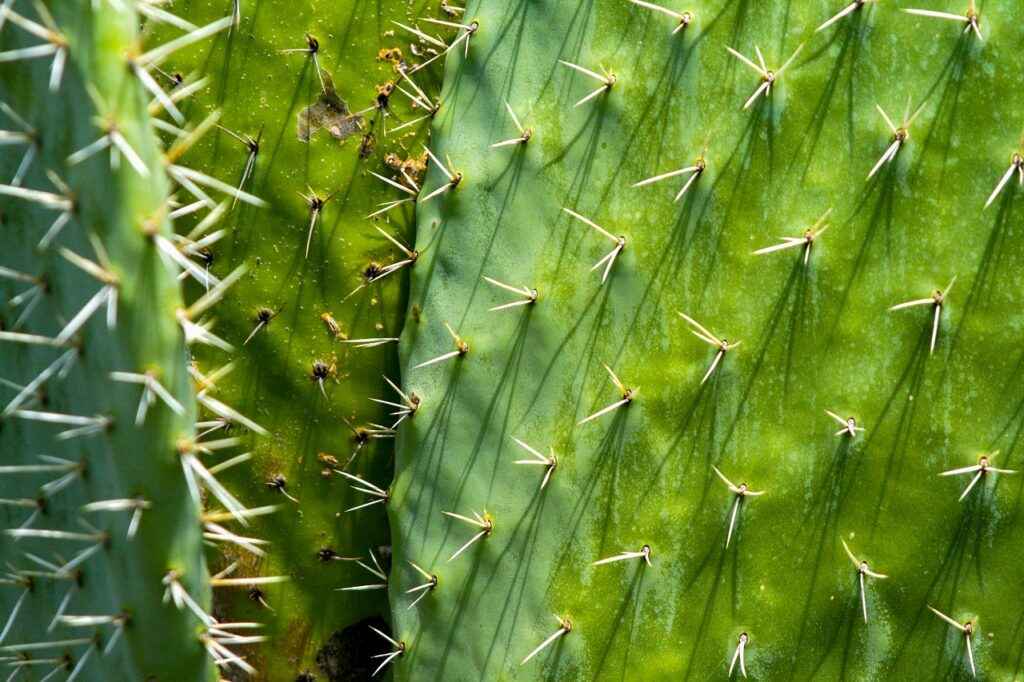
Cacti burns most often in spring, when they are moved from the rooms where they wintered to the window sill, and in summer, after longer periods of cloudy weather. In order to protect the cacti from burns, shade them with white paper in the afternoon hours and take care of proper ventilation of the rooms in which they are grown.
- Chlorosis
Too little sunlight causes the cactus shoots to turn yellow. Such symptoms are called fading, often accompanied by deformation of the shoots caused by the stretching of the plants towards the sun. Moving the cacti to a better sunlit place allows them to recover.
In contrast, cactus chlorosis is caused by a deficiency of magnesium, iron or manganese. It occurs due to the impossibility of taking these components due to the excessively high pH of the substrate. Too high pH of the substrate (above 7) also causes wilting and rotting of cacti.
To maintain the correct reaction of the substrate, cacti must be watered with soft or acidified water. Plants with symptoms of nutrient deficiencies should be fed with multi-component fertilizer diluted in water or transplanted into a fresh substrate.
Bacterial diseases of cacti
- Soft rot of cacti
It is a bacterial disease of cacti that occurs most often in the spring. Caused by the bacterium Erwinia carotovora. It is caused by watering cacti during low temperatures and the lack of airing of plants. The first symptoms of soft rot are visible at the base of the cactus in the form of gray, slightly sunken spots.
The spots on the shoots grow in size quickly and turn brown over time, and the cactus begins to rot. The cactus stalk breaks down where the stain is, and a yellowish, foul-smelling goo comes out of it.
In the early stage of the disease, the rescue for cacti is thorough cleaning of the infected areas to healthy tissue and smearing them with charcoal. Heavily infested plants cannot be saved, so they should be thrown away with the substrate.
Cactus fungal diseases
- Blotch of shoots
Blotch on cactus shoots is a fungal disease caused by the fungus Dreschlera cactivora. As a result of this disease, light, dry and slightly recessed spots with a diameter of several centimeters appear on the cactus shoots. Additionally, the tops of the shoots and damaged cactus tissues turn yellow. The spots spread very quickly and the diseased parts of the shoots or the whole plants die.
In order to avoid the appearance of this disease, it is necessary to avoid growing cacti in conditions of too high humidity of the air and the ground. Plants should be positioned so that they do not damage each other with thorns, as infection often occurs at the site of wounds. When the first symptoms of shoot blotch appear, spray the cacti with a fungicide. We never use it indoors (when spraying, take the cacti outside).
- Phytophthorosis
Phytophthora, caused by the fungus Phytophthora cactorum, manifests as brown spots appearing initially at the base of the cactus shoots. The spots grow rapidly and diseased shoot parts or entire plants die. The development of phytophthora is favored by too frequent and abundant watering of cacti. Sick plants should be discarded.