What to do when the lavender does not bloom or withers?

Why lavender wilt, withers or does not bloom ?

Although lavender is not a particularly demanding and difficult plant to grow, it sometimes becomes sick. The most common problems are: plant wilting, withering and lack of flowering.

Why lavender wilt?

Gray mold is by far the most common cause of this. The leaves gradually turn brown, as do the shoots, which soon begin to bend downwards to finally become covered with a grayish coating.

Most often, the disease occurs when the roots are soaked or when the air humidity is too high. In this case, it is good practice to dry the plant a bit. Do not water it for some time and move it to a well ventilated and dry place.

Cut brown and bent shoots and sprinkle the entire lavender with fungicide several times.

Why lavender wither?

Another, also relatively common condition is the so-called physiological drought. Despite the fact that it is watered regularly and sufficiently, lavender dries up, because it cannot take water from the substrate.

This may be caused by water that freezes in the soil during prolonged frosts combined with windy and sunny weather.
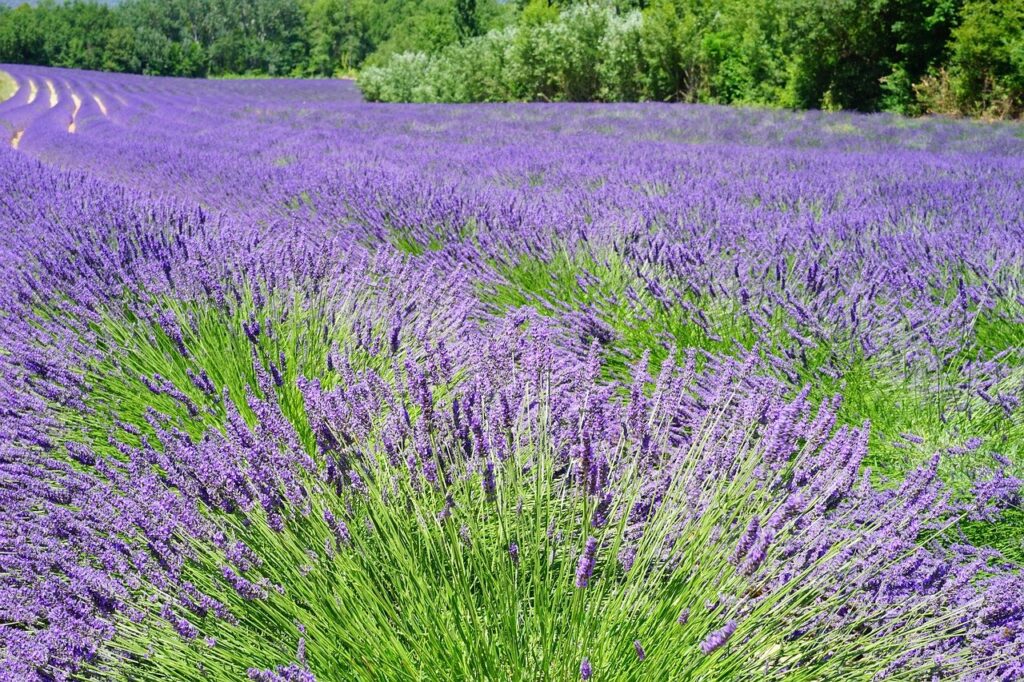
lavenders, flowers, lavender field-1595598.jpg

Why lavender wilt, withers or does not bloom?
Why lavender wilt, withers or does not bloom ?
Lavender field

In the case of potted plants, the cause may be improper fertilization, i.e. supplying the plant with too much or too little potassium, or allowing the soil to become saline. To save the plant, you should replace the substrate as soon as possible.

Why lavender does not bloom?

For the plant to bloom, it must be pruned seasonally. If you neglect this, lavender will not bloom abundantly.

However, if you prune the plant by schedule, it may be that the lavender does not bloom because of nitrogen overfertilization, which causes green plant parts to grow.

Also check if lavender have enough sunlight. It will not bloom if place is too shady.
Best soil for Lavender

Similar Posts

  • The Pothos Plant

    The Pothos Plant: Nature’s Perfect Indoor Companion Introduction The Pothos plant, scientifically known as Epipremnum aureum, has become one of the most beloved and popular houseplants around the world. Known by several nicknames such as Devil’s Ivy, Golden Pothos, and…

  • How can you tell if a cactus is male or female ?

    How can you tell if a cactus is male or female ? Cactus is male or female, is it? Cacti are loners and hermaphrodites, meaning that flowers can self-pollinate because they contain both female and male reproductive organs. Cacti are…

  • Is Pothos Plant Toxic to Animals ?

    Is Pothos Plant Toxic to Animals? As someone who loves filling my home with beautiful houseplants, I can’t deny that Pothos has always been one of my favorites. Their trailing vines, heart-shaped leaves, and low-maintenance care make them an ideal…

  • Aphelandra squarrosa

    Aphelandra squarrosa Aphelandra squarrosa, also known as the Zebra plant, is a pot plant with interesting, dark green leaves with clearly visible bright veining and attractive yellow inflorescences, appearing on the tops of the shoots. What does Aphelandra squarrosa look…

  • How often to water cactus indoors ?

    How often to water cactus indoors ? Improper watering of cacti is the most common cause of their death. The assumption that cacti, originating from semi-arid lands, do not need water to live is wrong! Cacti love water and need…

  • How to water Aphelandra Squarrosa ?

    How to water Aphelandra Squarrosa ? The Aphelandra plant is considered quite demanding. A very important aspect is watering, because the soil must be kept moist all the time when caring for Aphelandra. How to water Aphelandra squarrosa ? How…