Are narcissus poisonous ?
Narcissus is “armed” with toxic protective substances. Those flowers contain the poisonous alkaloid lycorine – designed to deter herbivores and insects.
Narcissus is a group of bulbous plants you can find in many countries around the world. It is one of the most popular ornamental plants, with about 10,000 varieties. Also you can see it in apartments, home gardens or city flower beds.
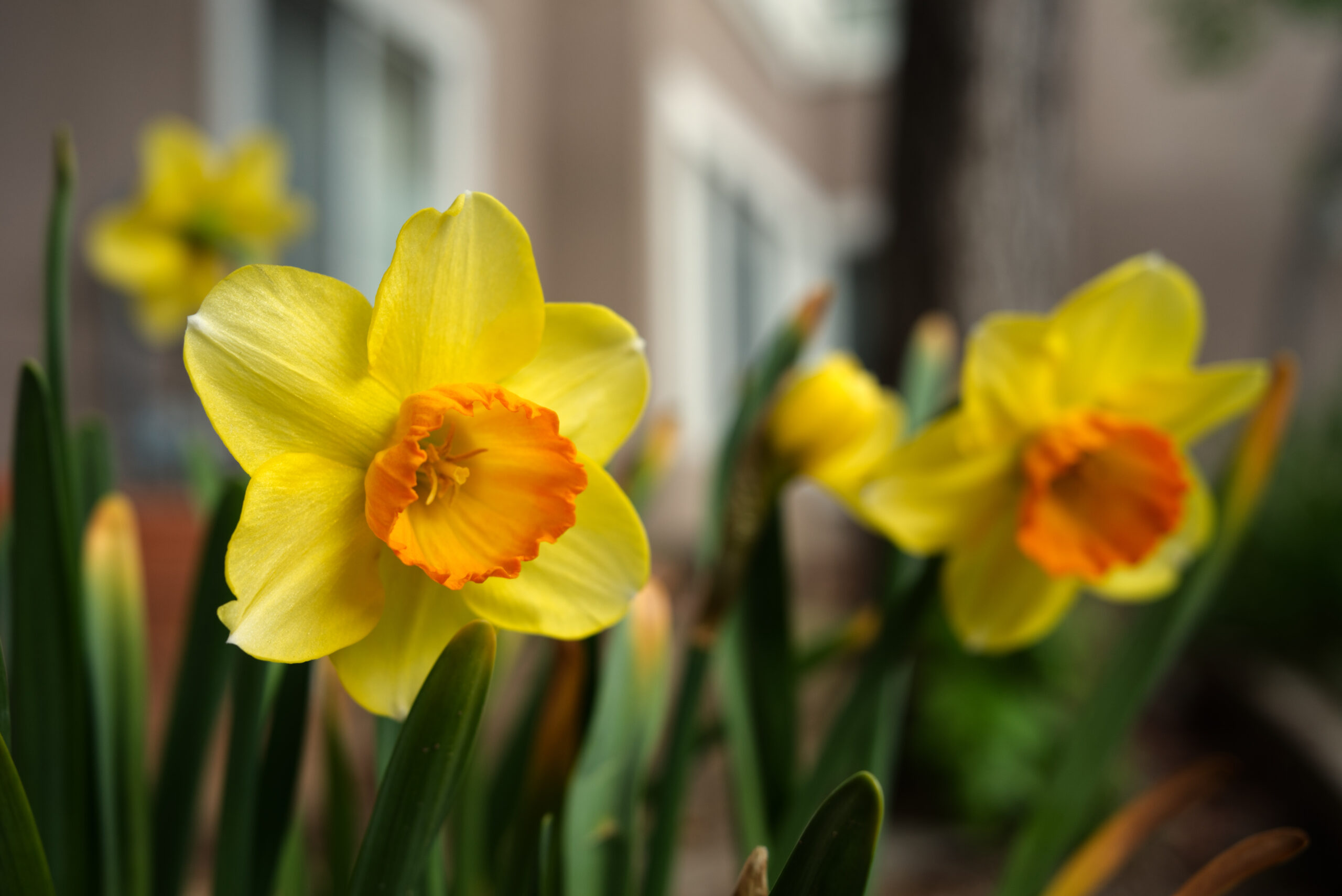
Narcissus is one of the first flowers to bloom in spring (bloom from March to May). The most popular varieties of narcissus have 6 petals and a tube, the so-called lace-ups. Narcissus flowers are usually white or yellow.
From bulbs to flower petals, they pose a threat to the health and even life of pets, insects and people.
Narcissists are dangerous to humans
If you are considering growing narcissus in your garden, you must be careful and remember few important facts.
The first is that the highest amount of poisonous alkaloid is in the bulbs. Consuming this part of the narcissus can lead to extremely serious consequences.
A few years ago, in the village Martlesham Heath in England narcissus was a cause of poisioning in primary school. It was bulb that was added to soup and then eaten by kids.
Narcissus also poison the soil
Second, it’s important to remember that toxic substances from narcissus bulbs can spread through the soil as well. Therefore, under no circumstances you should plant this perennial in the vicinity of the vegetable garden.
If you will plant pot herbs in the vicinity of a narcissus, you will run in the risk of making them not good for consumption.
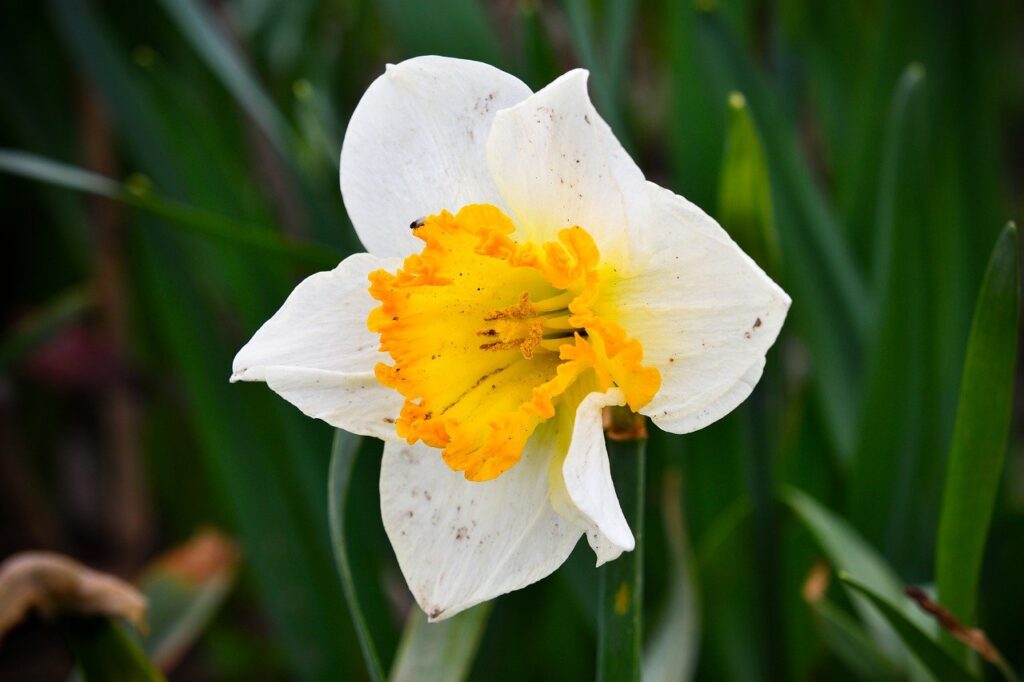
The toxic substances contained in narcissus also get into the water in the vase from cut flowers. If you decide to place narcissus in a vase, you should not put them together with other flowers.
The poison contained in the stems and flowers will cause the remaining plants in the bunch to wilt.
As you can see, the toxicity of this perennial plant can be dangerous for humans, animals and other plants. That’s why narcissists like solitude – both in the soil and in the vase.
Narcissi: beware of allergies
Finally, the third thing: if you have allergy sufferers in your home, it is better not to buy cut narcissus flowers.
The most dangerous for people and animals is the bulb of this plant, however what is most beautiful about it, flowers, can harm people prone to allergies.
The intense smell of narcissus is delightful, but in a closed room it can give a headache, and allergy sufferers – skin reactions or even gag reflexes.
Narcissi: away from animals
Narcissus bulbs are a common cause of poisoning in dogs that like to dig them out of the ground. Therefore, in a house where there are four legged friends, it is better to plant narcissi in special boxes that will prevent dog from accessing dangerous bulbs and stems.
It is more difficult to protect cats against this danger, which often bite the leaves and flowers of narcissus. This could end badly for them, as narcissists are toxic and dangerous not only to humans but also to pets.
Depending on how much the animal ate, it can cause serious inflammation of the digestive system. It is manifested as vomiting and diarrhea.
Narcissus poisoning in humans – symptoms
Symptoms of narcissus poisoning, and more precisely with the toxic substances found in its bulbs, stems and flowers, can cause symptoms in the digestive system: diarrhea, abdominal pain, vomiting and nausea.
Alkaloids also have a negative effect on the work of other organs, so they can cause an increase in pressure, shortness of breath, sweating, and even heart problems.
Ocassionally, skin irritation may appear. Therefore any work you do around narcissus should be with protective rubber gloves.
If you eat narcissus by mistake or if your child drinks water from the vase in which the narcissus has stood, consult your doctor.
Narcissus – How to grow and propagate?
Are paperwhite narcissus poisonous?
The official Latin name for the white narcissus is Narcissus poeticus, or poetic narcissus. And all because – as it is believed – it is this variety that the myth about Narcissus applies to.
If you decide to grow white narcissus you must be careful because they are poisonous. While all narcissists are somewhat toxic, our beautiful whitepaper is the worst in this regard. It act as a powerful emetic, can cause headache and vomiting due to strong smell, therefore it is important not to keep large amounts of this flower in closed room.